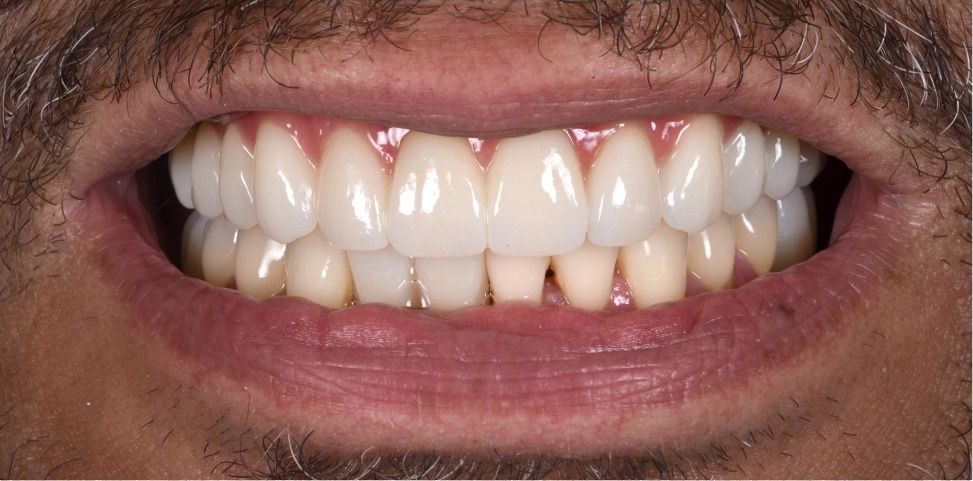
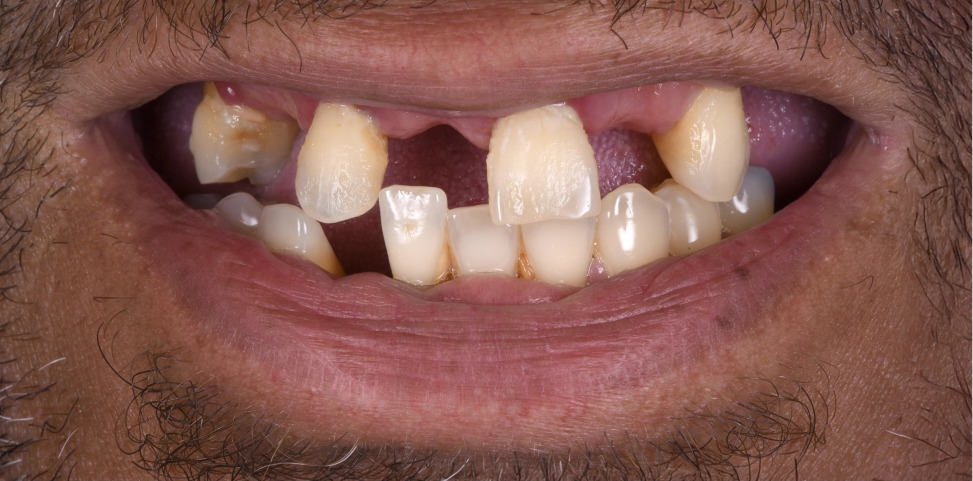
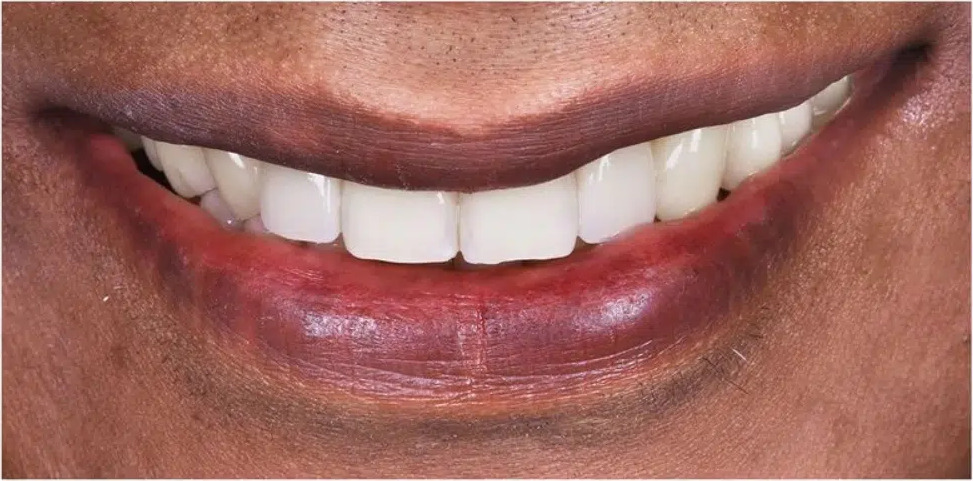
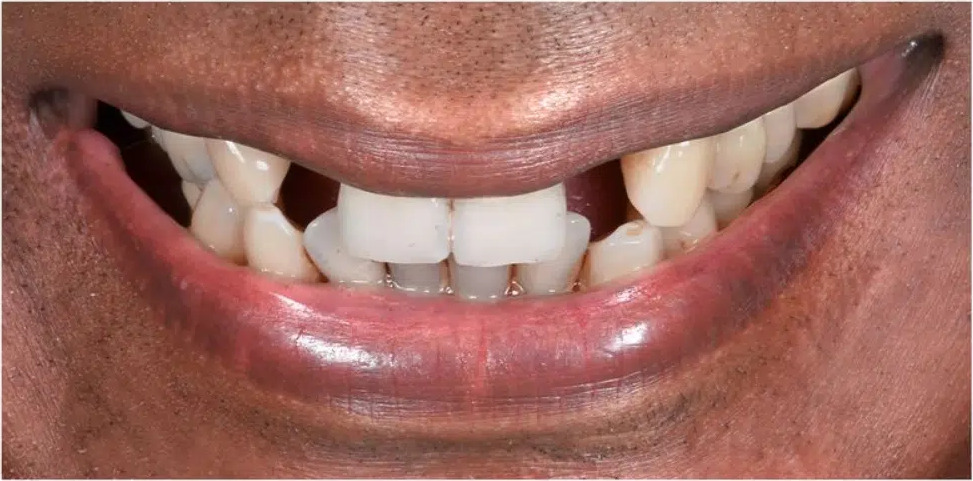
How much do dental implants cost in Australia?
Across Australia a single implant with its crown commonly costs several thousand dollars, and a full arch costs considerably more. At Kallangur Dental Surgery a single dental implant starts from $3,999 and All-On-4 from $19,000 per arch. Your own fee depends on the number of teeth, materials and any grafting, and it is set out in writing after your free consultation. Our Brisbane implant cost guide explains the price factors in more depth.
How long do dental implants last?
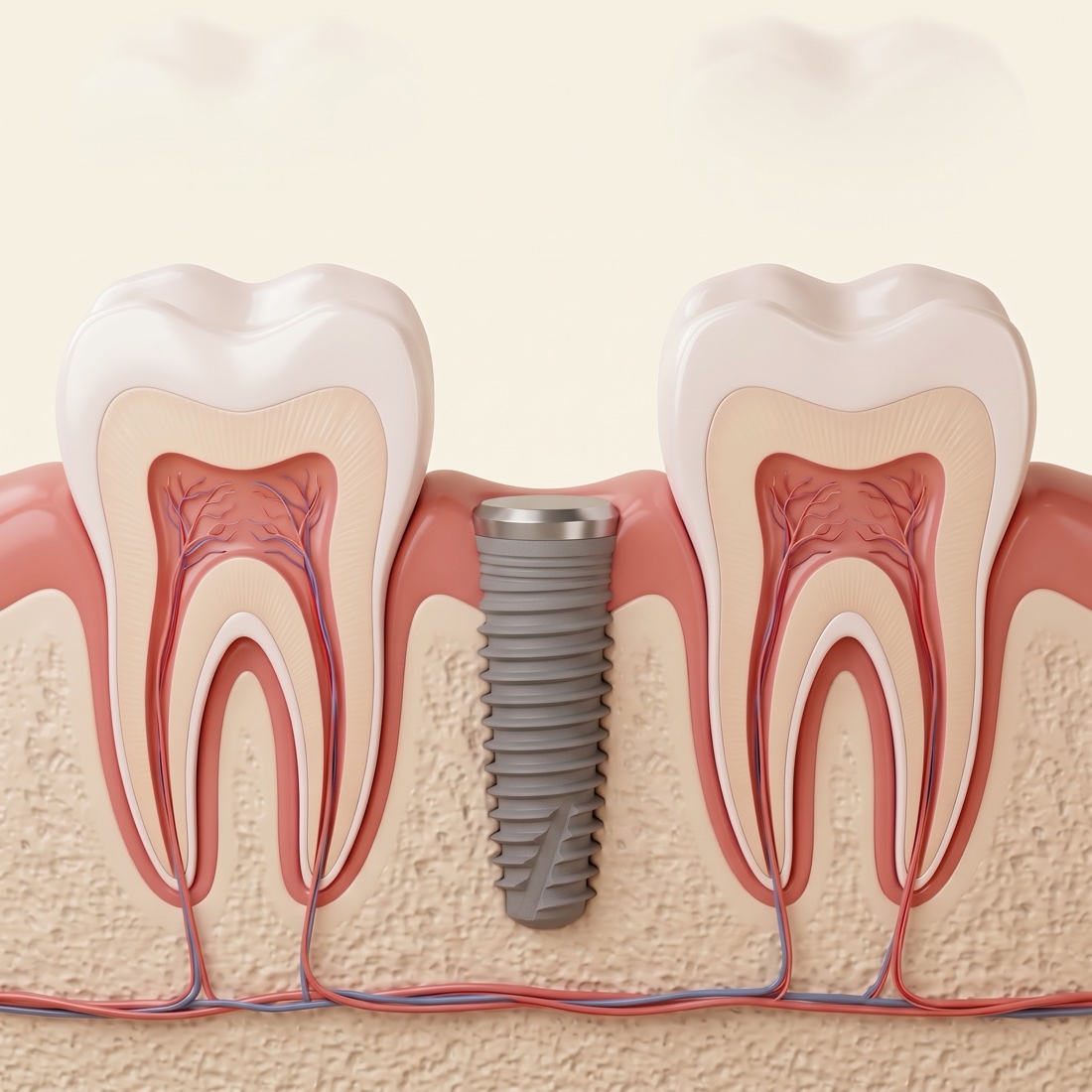
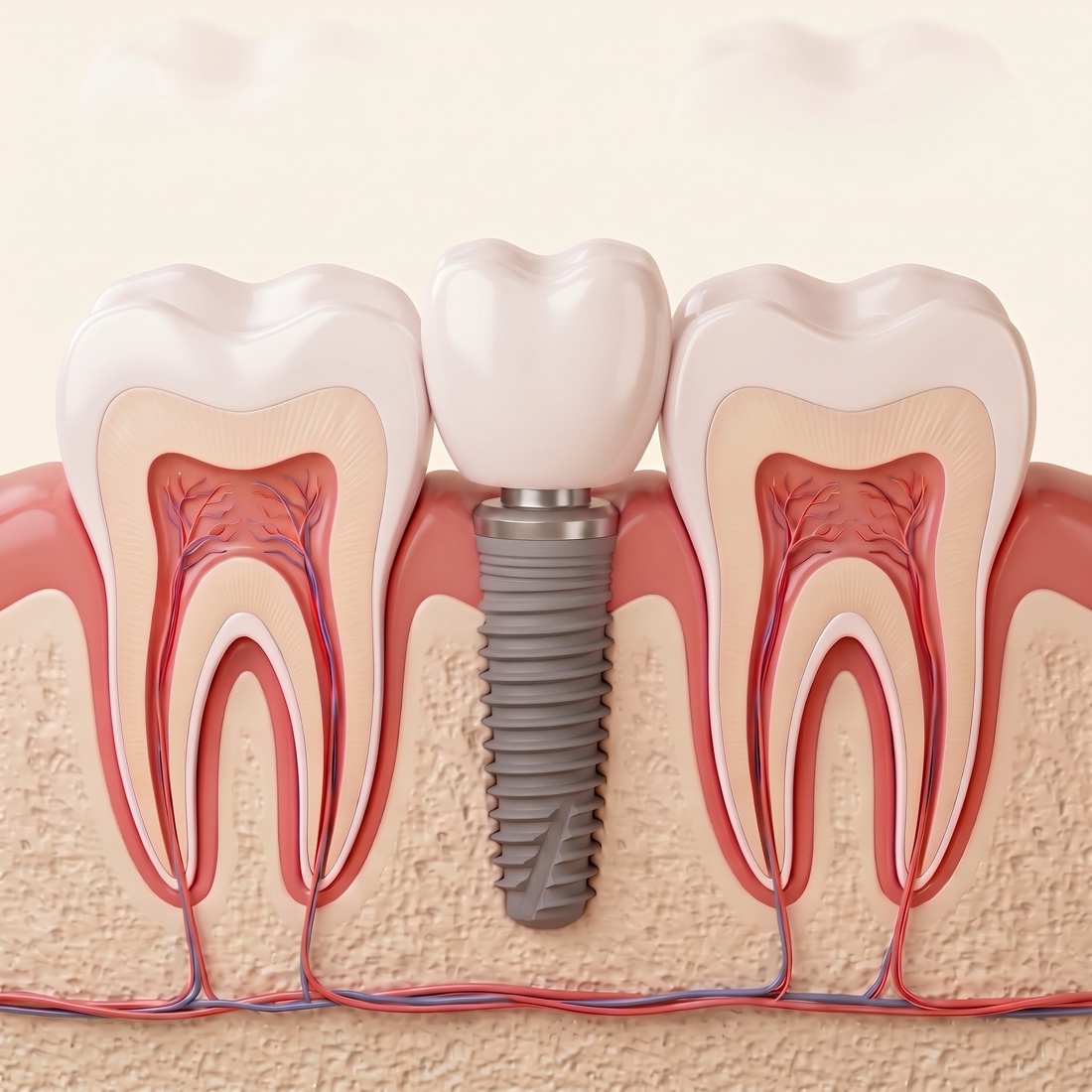
The implant post is designed to stay in the bone for decades, and many patients keep theirs for life. The crown or bridge on top takes the daily wear of chewing and may need renewing after many years. Brushing, cleaning between teeth and regular check-ups at our Kallangur clinic are what keep an implant healthy.
Am I a candidate for dental implants?
Most adults with one or more missing teeth can be considered. You need healthy gums, enough jawbone to hold the post, and reasonable general health, and smokers are asked to stop around treatment. If bone has shrunk, bone grafting can often rebuild it first. Dr Kadwa confirms your suitability at the free consultation.
How long does the implant process take?
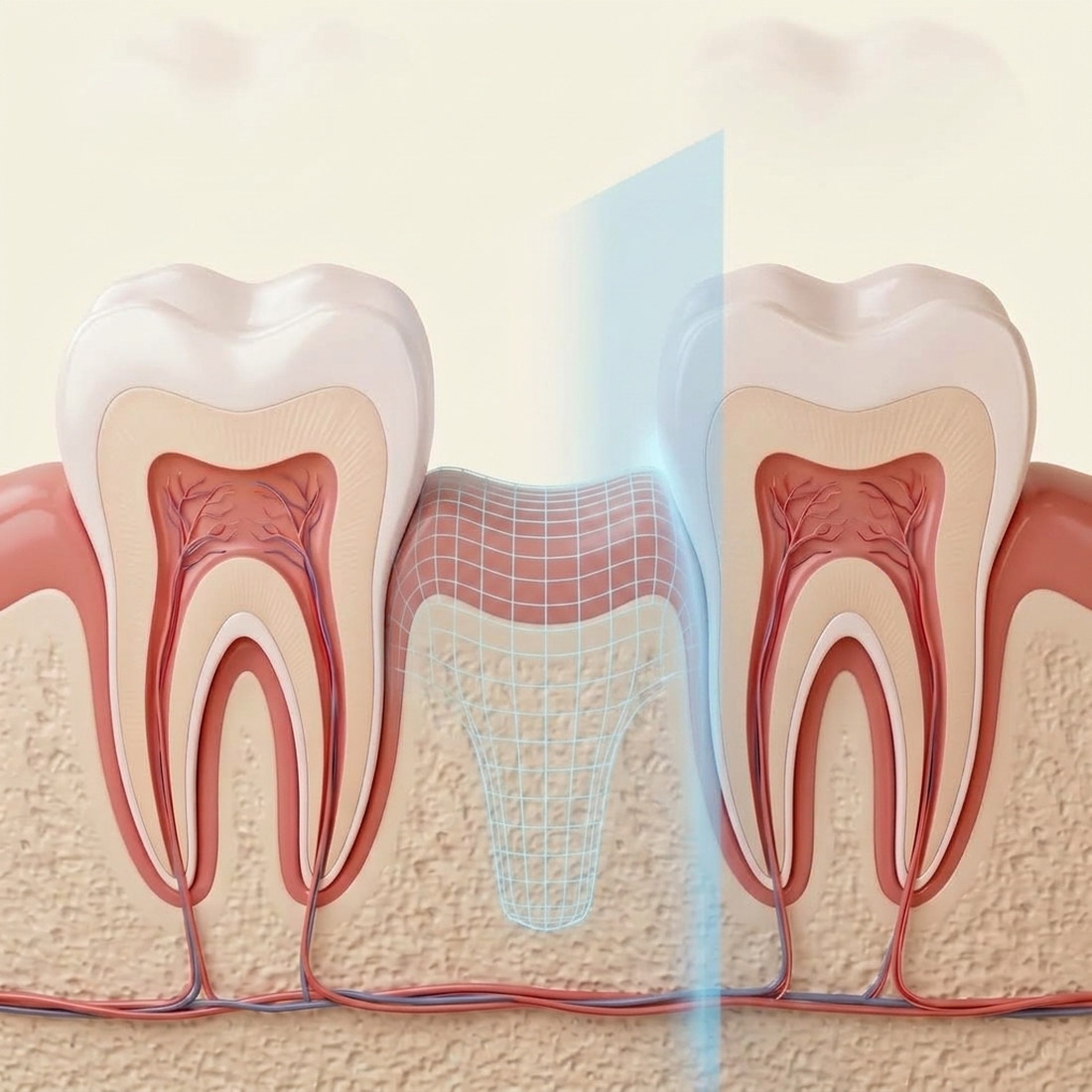
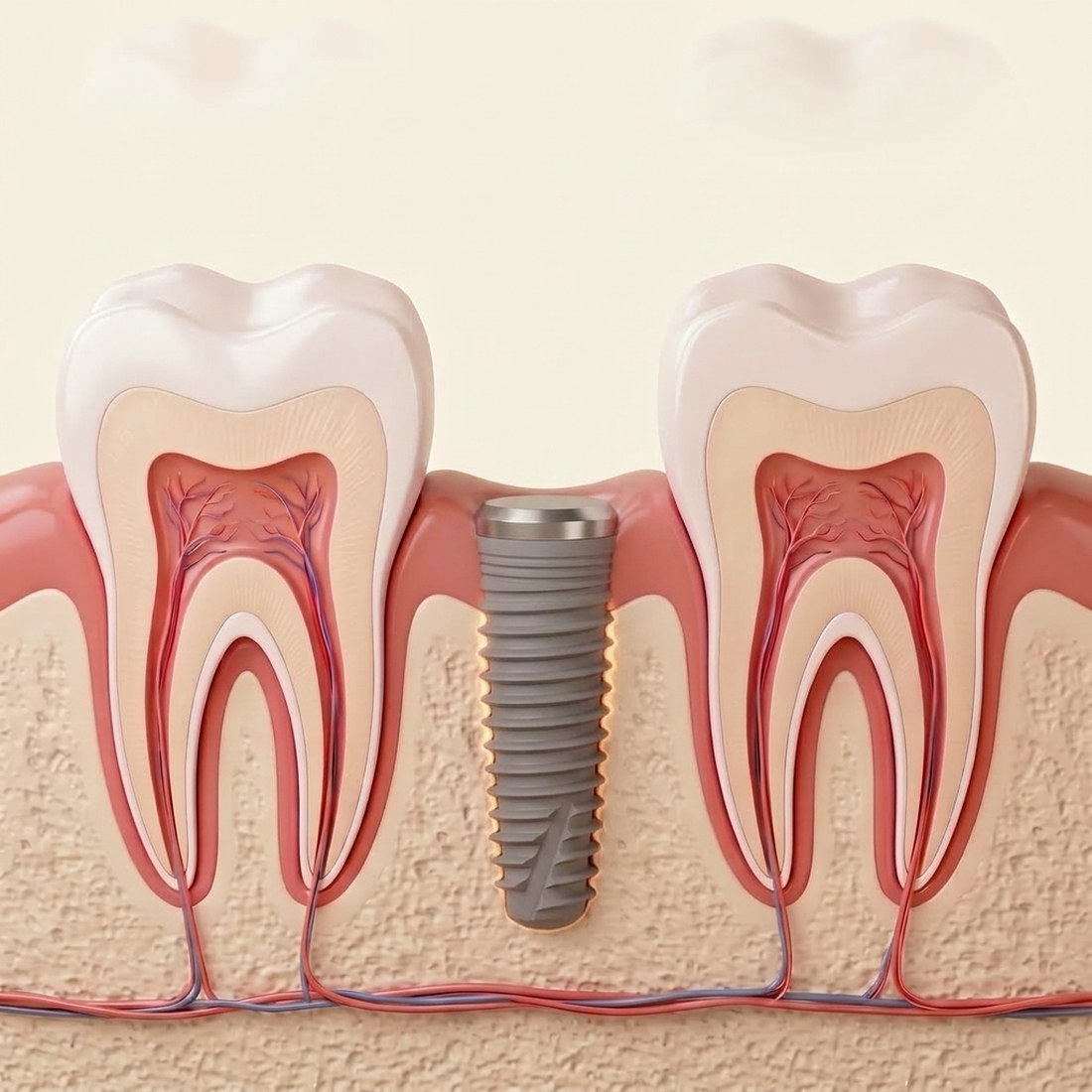
Allow roughly four to nine months from consultation to final tooth for a typical case. Placement itself is a single appointment, and most of the time is the bone healing around the implant. Extractions or grafting can add time, and your written plan gives the timeline for your case.
Can I pay for implants with a payment plan?
Yes. We offer humm and Afterpay so you can spread the cost into instalments, subject to approval by the provider. You can also claim eligible items through your health fund on the day with HICAPS. The details are explained at your consultation.
Is an implant better than a bridge?
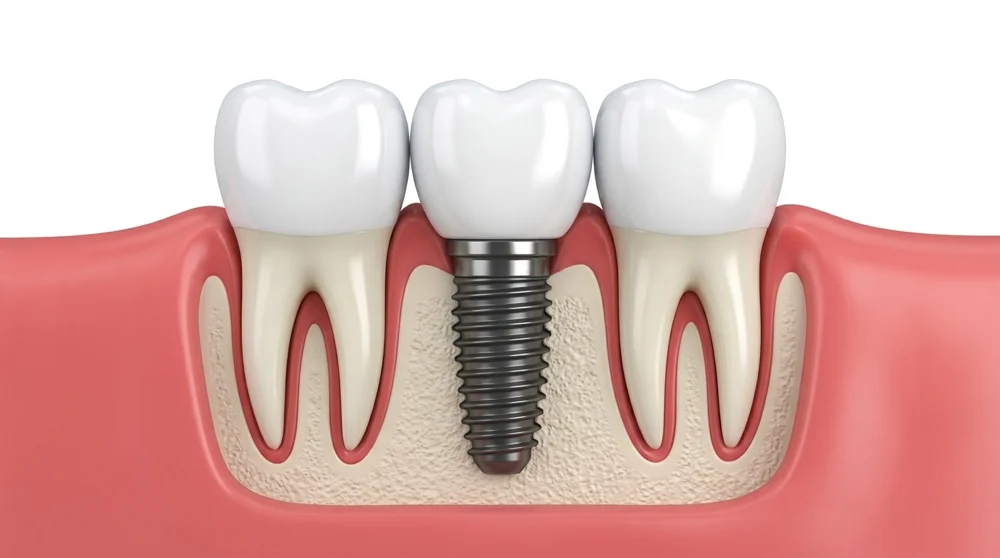
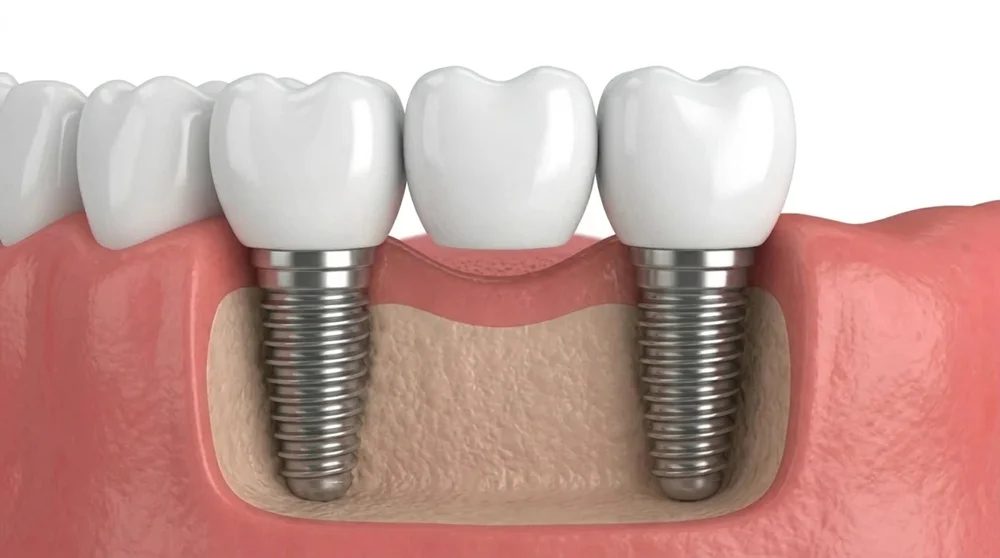
A conventional bridge relies on crowning the healthy teeth on either side of the gap, while an implant stands on its own and leaves those teeth untouched. An implant also keeps the jawbone under the gap active, which helps stop it shrinking. A bridge can be quicker and costs less at first, so we compare both honestly for your situation.
Do dental implants hurt?
The area is fully numbed, so most people feel pressure rather than pain during placement. Afterwards there is usually some tenderness and swelling for a few days, managed with ordinary pain relief. If you are nervous, ask about our sleep dentistry and sedation options.
What are dental implants made of?
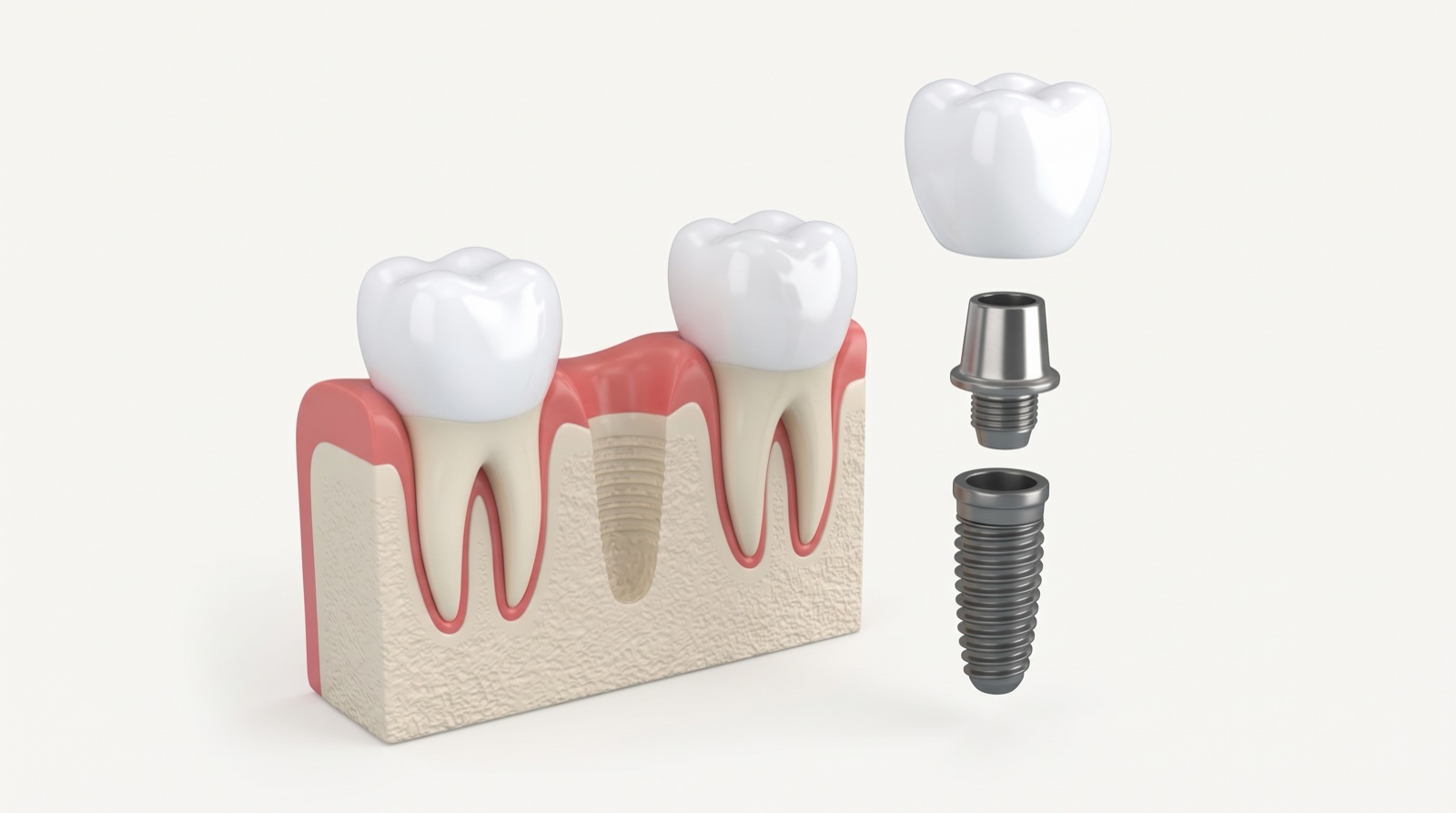
The post is usually titanium, a material the body accepts and bone grows onto, with zirconia available as a metal-free option in suitable cases. The visible tooth is ceramic, built to match the colour and shape of your own teeth.
What is keyhole implant surgery?
Older techniques folded back the gum to expose the bone. Where your bone and scans allow, we place the implant through a small opening guided by the 3D plan instead, which usually means less swelling and a quicker recovery. Whether it suits you is decided from your scan.
Can I get an implant years after losing a tooth?
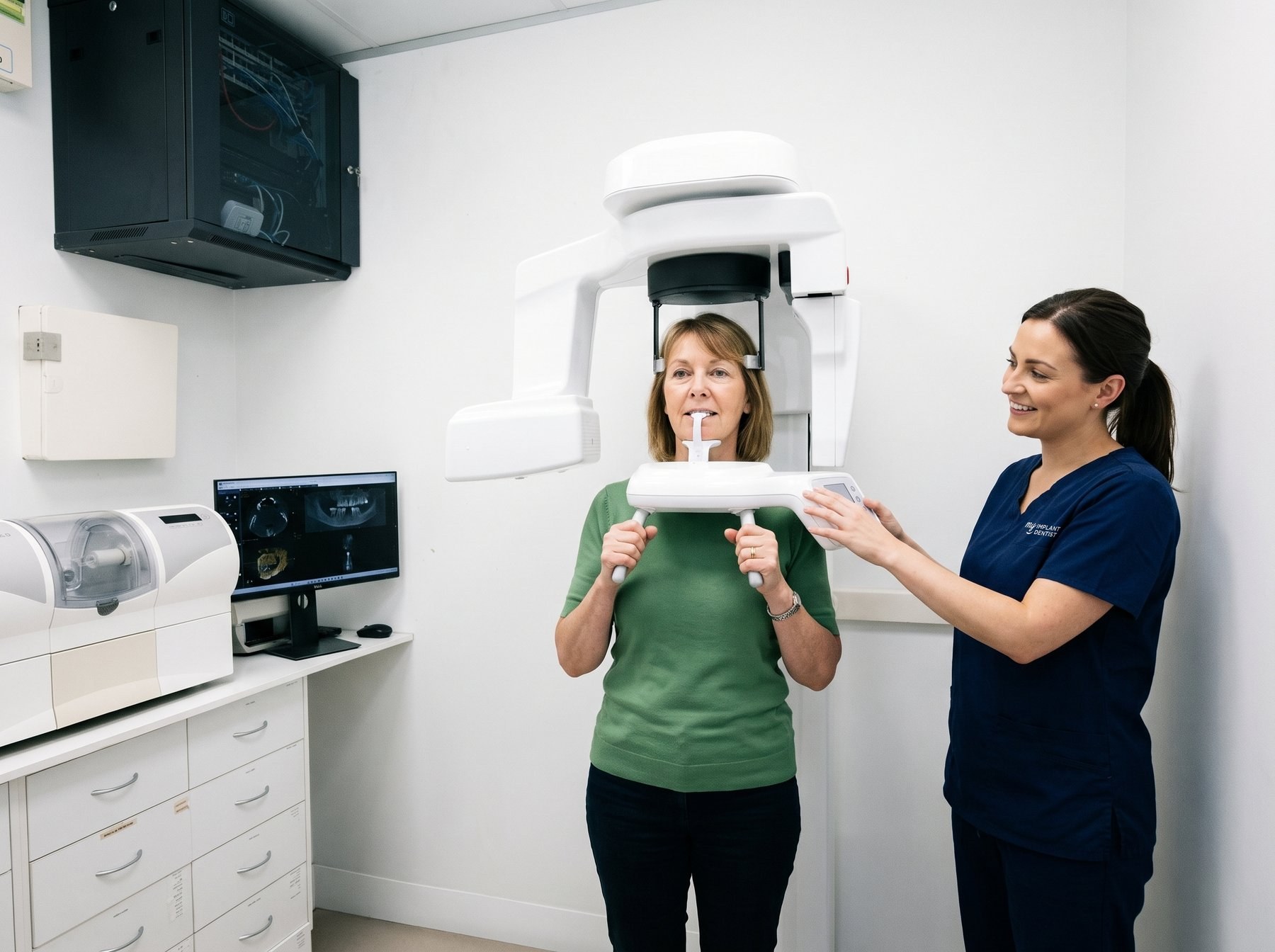
Often, yes. The main question is whether enough bone is left where the tooth used to be, because bone slowly shrinks once a tooth is gone. The OPG X-ray and 3D scan tell us, and a graft can rebuild the area if needed.
Can implants help if I have loose dentures?
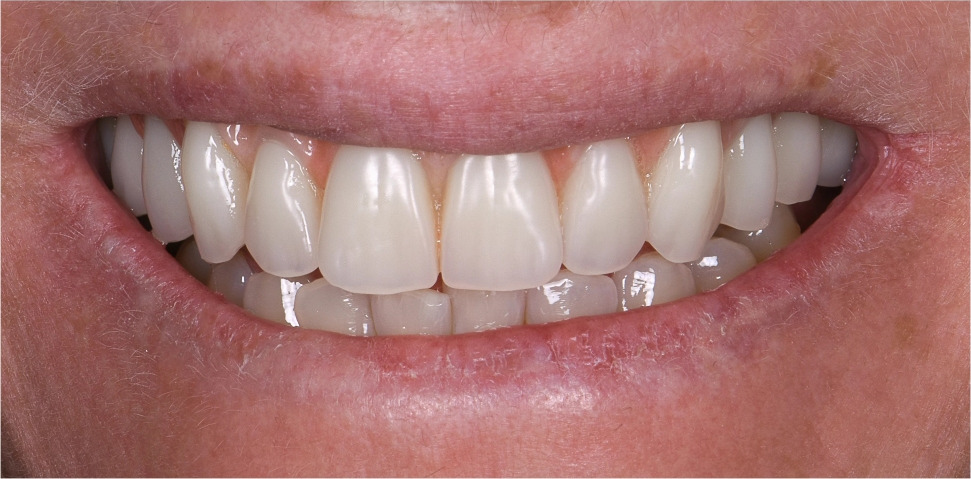
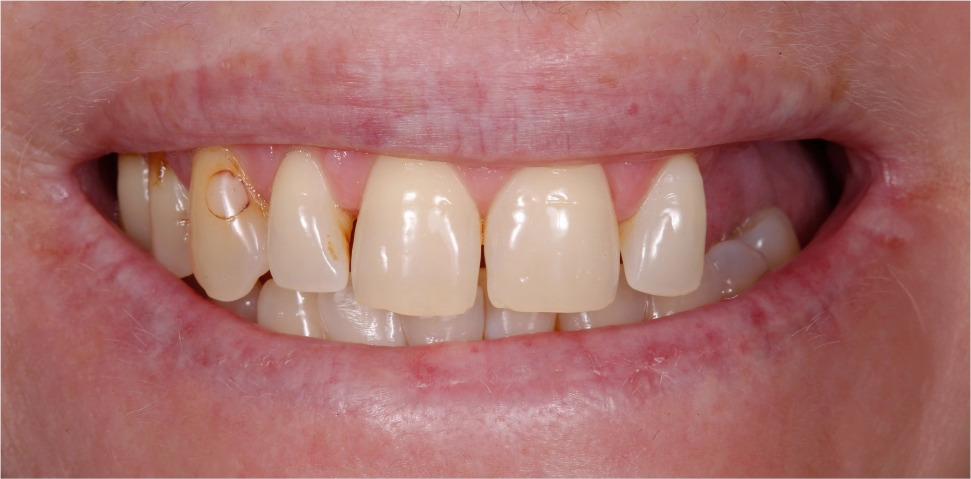
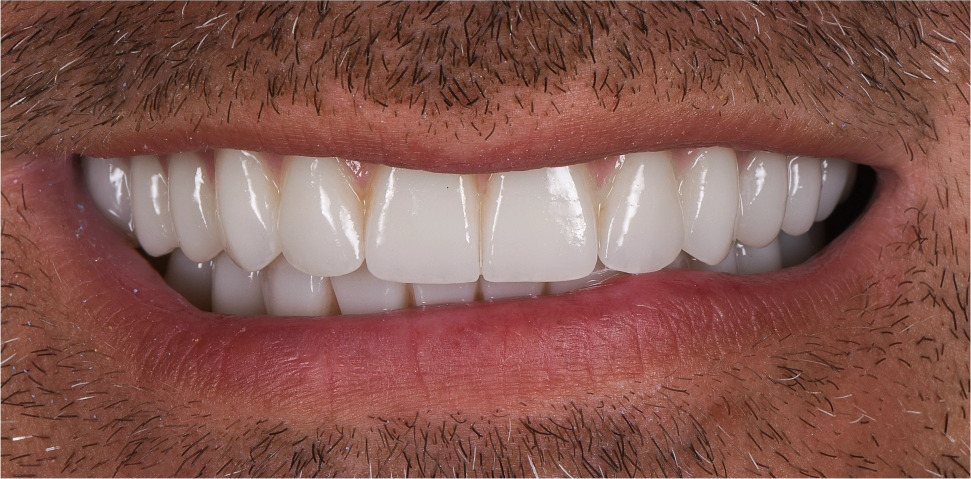
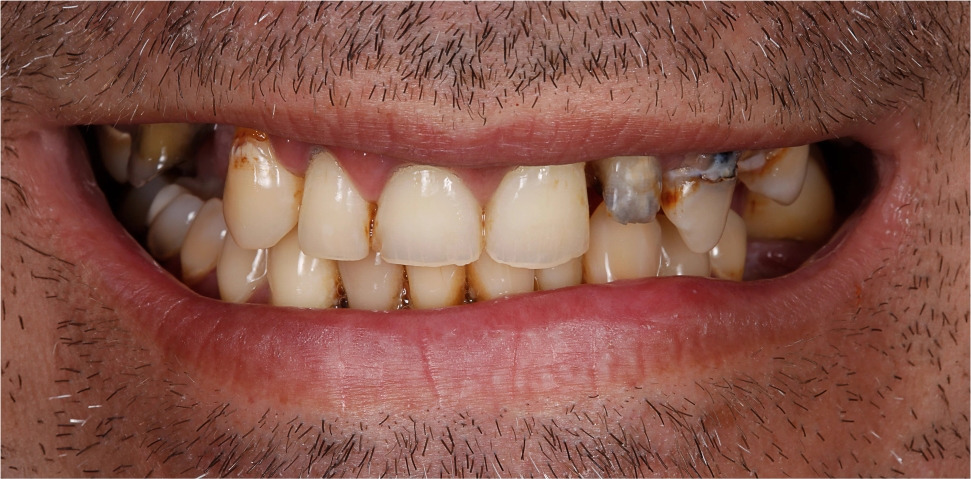
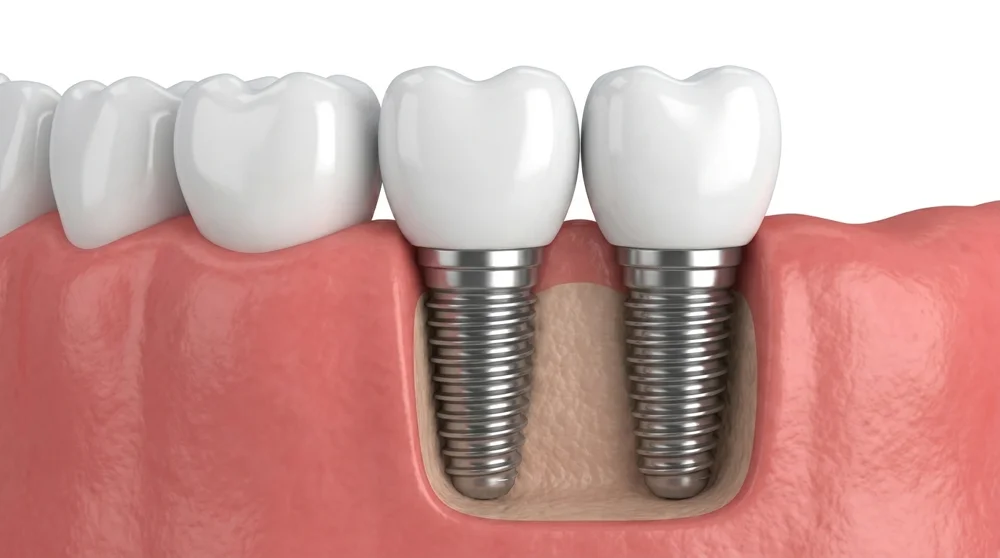
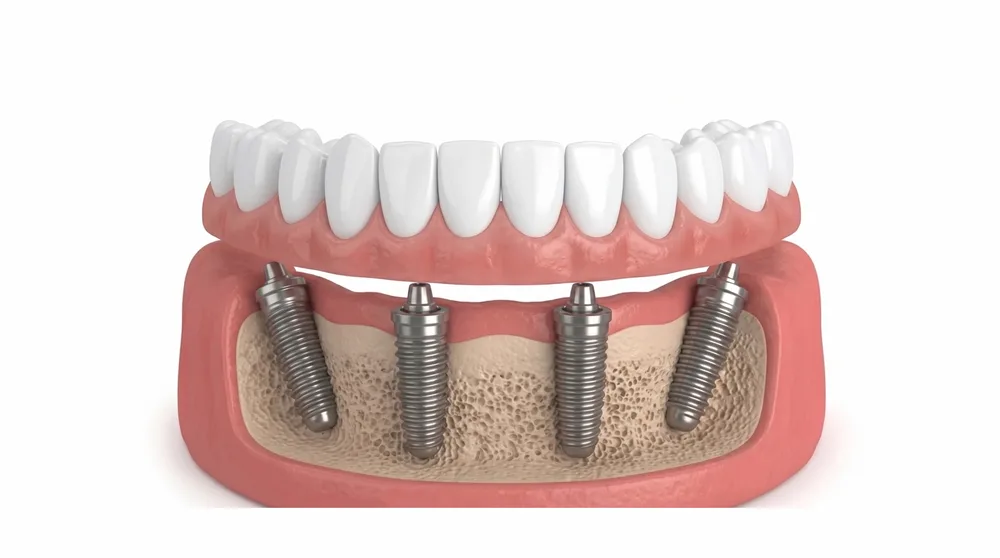
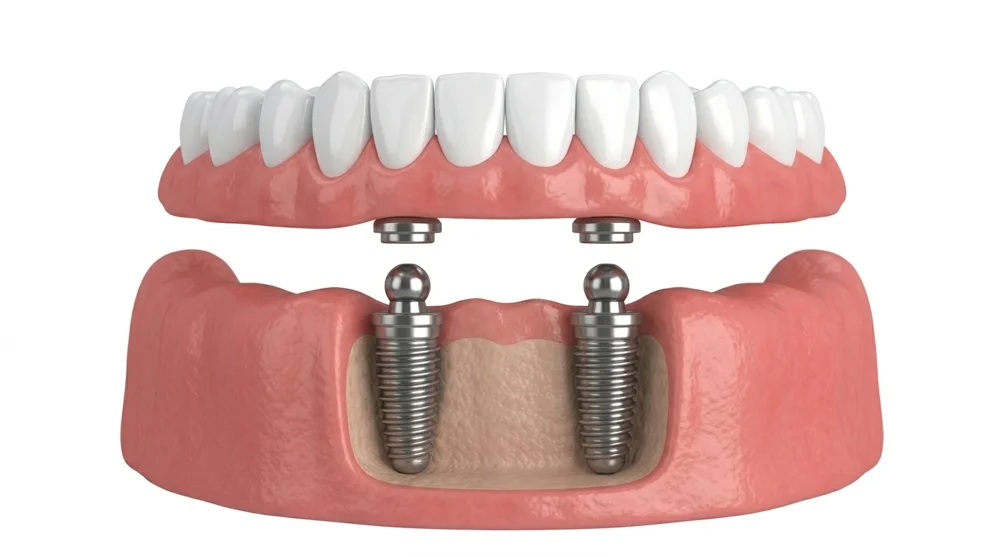
Yes. Two implants can hold a snap-on lower denture firmly, and four implants can replace a denture altogether with a fixed All-On-4 bridge. Both make eating and speaking far more comfortable.
What are the risks of dental implants?
Implants have a long safety record, but like any surgery there are risks, including infection, nerve irritation, sinus problems in the upper jaw, or an implant that does not bond to the bone. Careful 3D planning keeps these risks low, and we go through them with you before you agree to treatment. Individual results vary.
Does health insurance cover dental implants?
It depends on your fund and your level of extras cover. Some policies pay towards parts of treatment, such as the crown or extractions. We are a preferred provider for Medibank, HCF, Bupa and Westfund, and we give you an itemised plan to check your cover with your fund.
How do I look after my implant?
Treat it like a natural tooth: brush twice a day with a soft brush, clean around it with floss, interdental brushes or a water flosser, and keep your regular check-up and clean. Avoiding smoking protects the gum and bone that hold the implant.