

1423 Anzac Ave, Kallangur QLD 4503
Dental emergency? (07) 3886 0933 ★★★★★ 4.8 | 169 reviews
Home / Services / Partial Dentures

Partial dentures in Kallangur, Moreton Bay

Partial Dentures
in Kallangur

Fill the gaps and keep the teeth you have

Partial dentures replace one or more missing teeth while your healthy natural teeth stay put. A gap does more than change your smile: neighbouring teeth can drift or tip into the space, the teeth opposite can over-erupt, and food traps more easily, which raises the risk of decay and gum disease. At Kallangur Dental Surgery we make acrylic, cobalt chrome and flexible partial dentures for patients from Kallangur, Murrumba Downs, Griffin, Lawnton, Strathpine and nearby Moreton Bay suburbs, and we help you choose the material that suits your mouth and budget.

  • Acrylic, cobalt chrome and flexible partials
  • Upper and lower, front and back teeth
Kallangur Dental Surgery clinic

Your next step

Talk to us about a partial denture

Not sure whether acrylic, cobalt chrome or flexible suits you, or whether a partial or a bridge makes more sense? Book a consultation at our Anzac Avenue practice. We will examine your teeth, explain each option plainly and give you a written estimate before anything is made.

  • Acrylic, chrome and flexible options
  • Clear advice on partial vs bridge vs implant
  • Written estimate before treatment
  • Preferred with Medibank, HCF, Bupa and Westfund

Accredited & compliant

QIP Accredited Dental PracticeAustralian Dental Association Member

Transparent pricing

How much do partial dentures cost?

Partial denture typeCost
Acrylic partial dentureFrom $1,000
Cobalt chrome partial dentureApprox. $2,500
Implant-retained partial denturefrom $9,000

Partial denture cost depends mainly on the material, how many teeth are being replaced and the number of clasps or attachments. As a general guide, acrylic partials cost the least, cobalt chrome and flexible partials sit in the middle, and implant-retained partials cost the most because implants are involved. We give you a written estimate with item numbers after examining you, so you can check your rebate. We are preferred providers with Medibank, HCF, Bupa and Westfund, and all other funds are claimed through HICAPS.

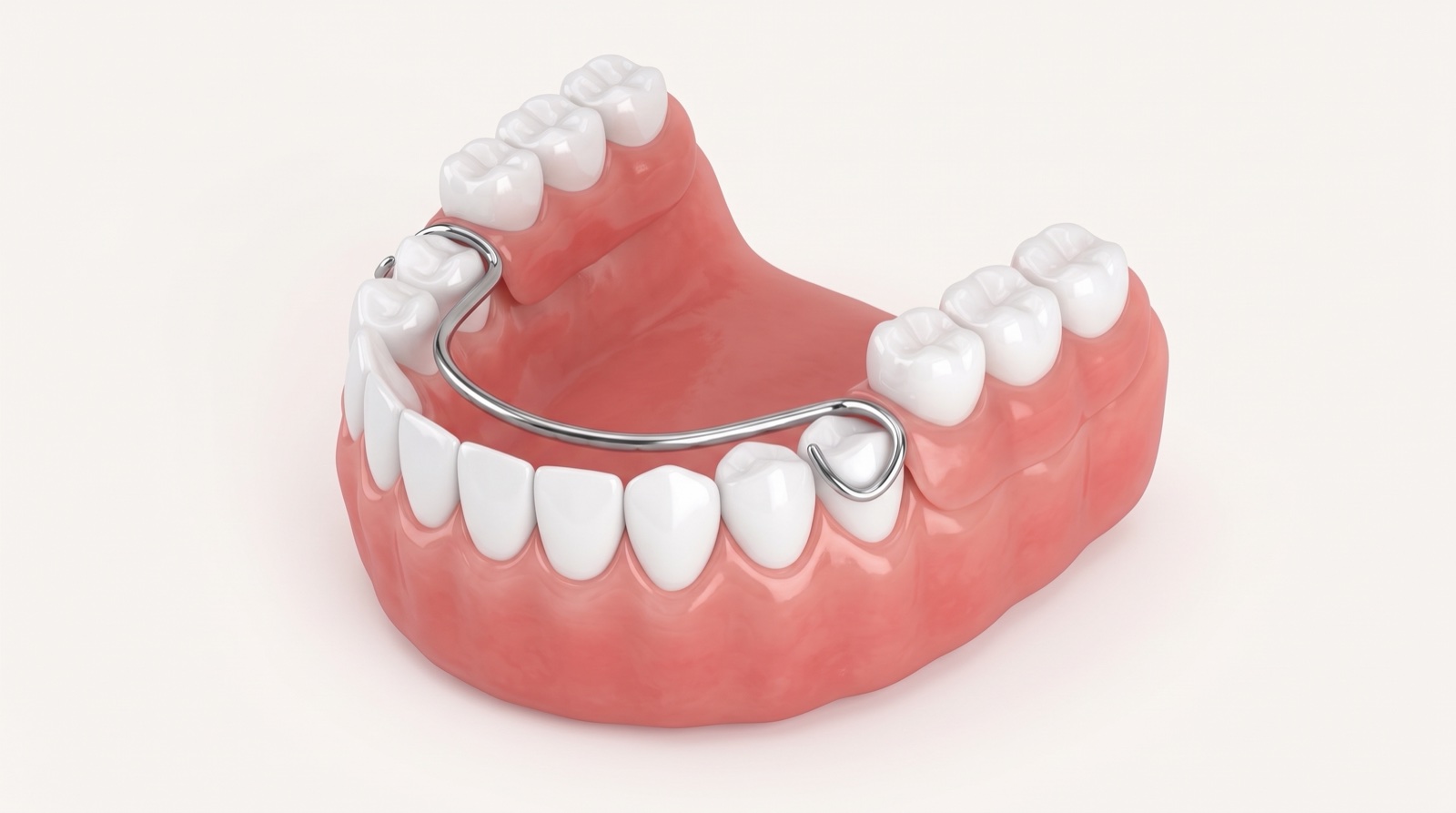
A lower partial denture with a metal clasp and lingual bar sitting beside natural teeth

The basics

What is a partial denture?

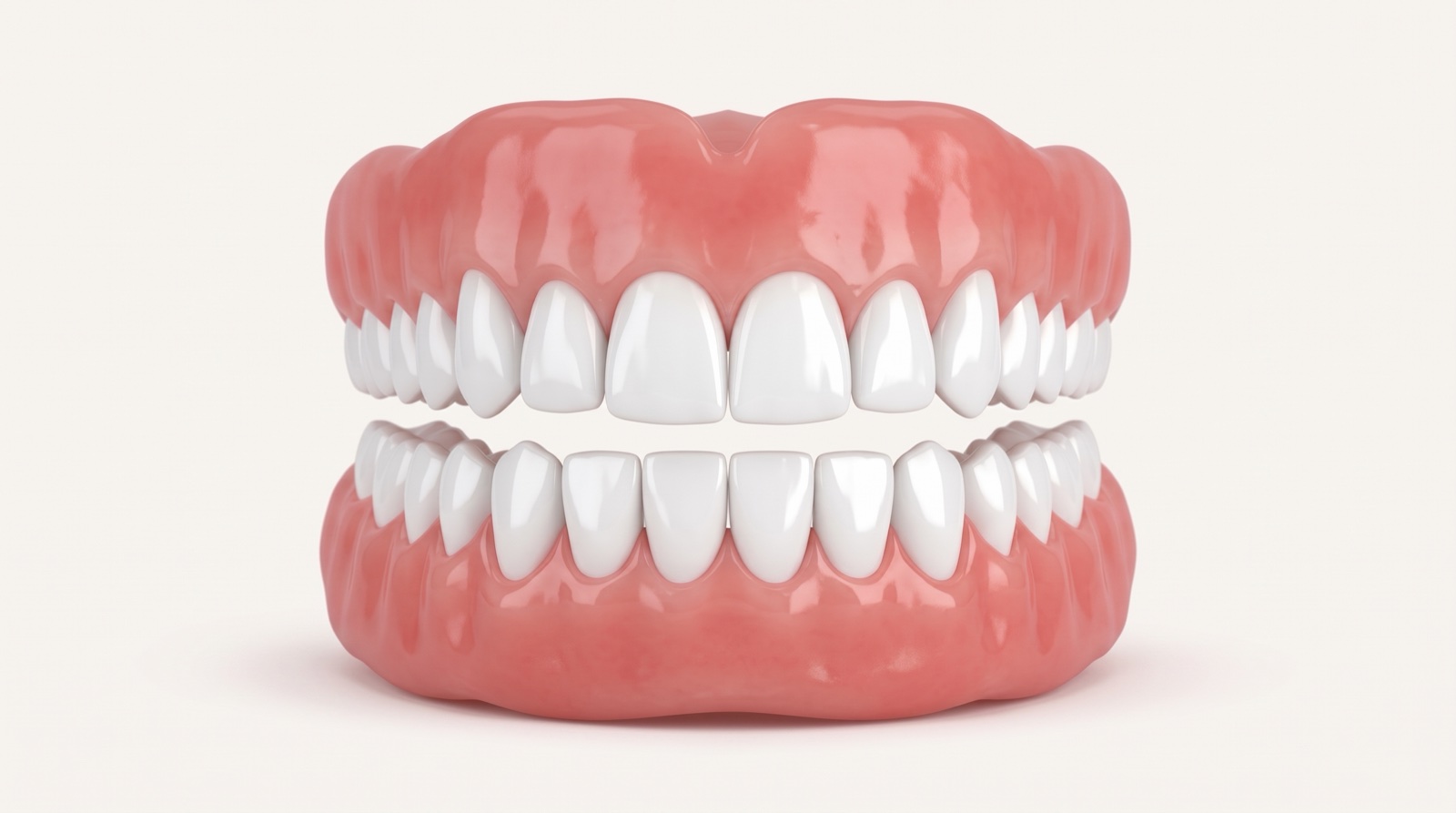
A partial denture is a removable plate carrying one or more replacement teeth. It is made from impressions of your mouth, so it slots into the gaps and rests against the teeth around them. The replacement teeth are matched to your own in shade, size and shape, so they blend in when you talk and smile.

Partials stay in place with small clasps that hug nearby teeth, or with rests and precision attachments in some designs. Clasps are commonly metal, though tooth-coloured or gum-coloured clasps can be used where they would show. How the partial grips depends on which teeth are missing, how firm the remaining teeth are and how much biting force the denture has to handle.

You can have a partial for a single missing tooth or for many. Upper partials often cover part of the palate for support, while lower partials usually connect the two sides with a slim bar behind the front teeth.
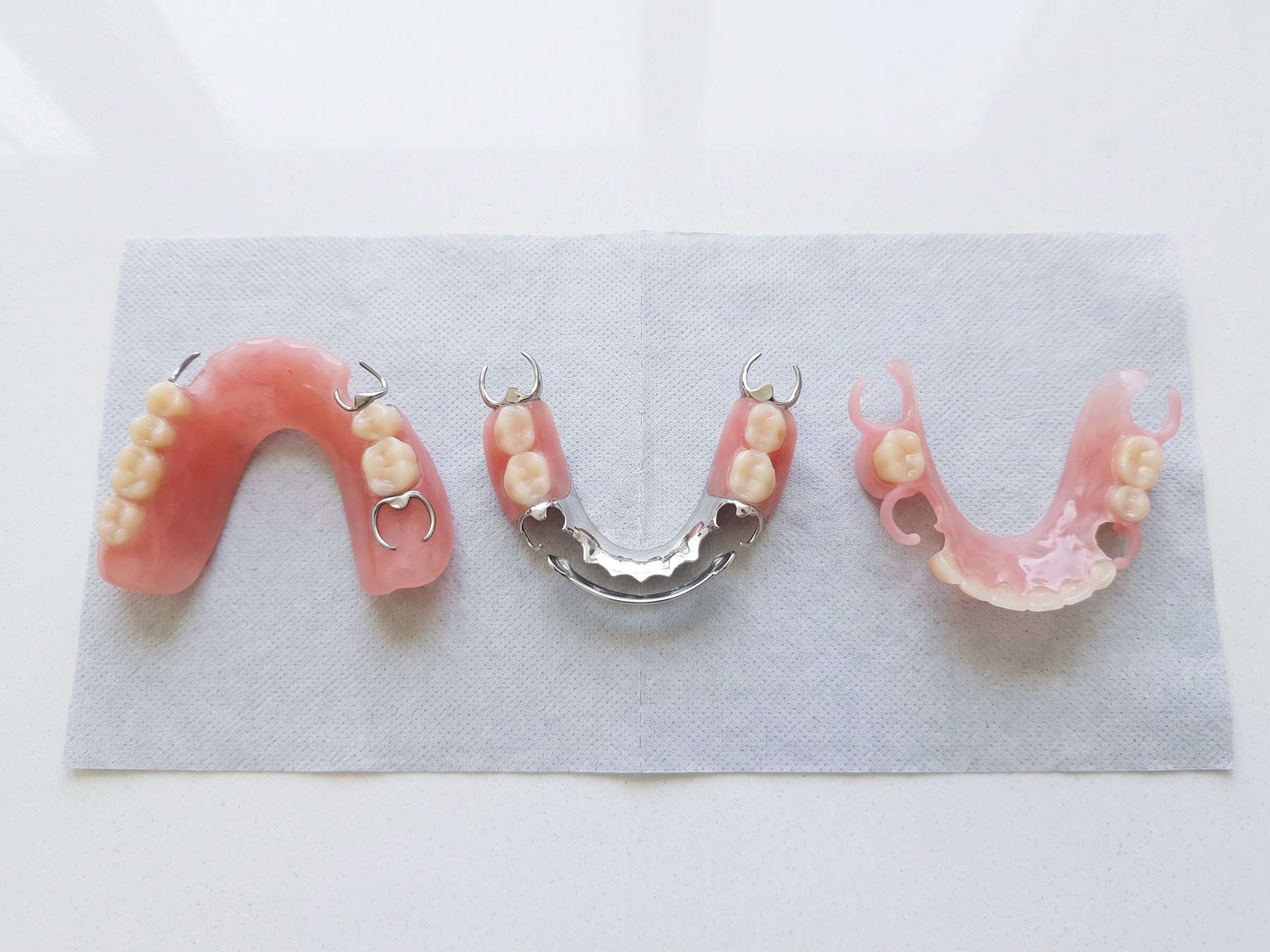

An acrylic partial with wire clasps, a cobalt chrome partial and a flexible partial with gum-coloured clasps laid side by side

Your choices

Acrylic, cobalt chrome or flexible partial: which suits me?

Acrylic partial dentures - A gum-coloured acrylic base with wire clasps. They are the most economical type and quick to make, and teeth can usually be added later if you lose another one, which makes acrylic a common choice as a first or interim partial. The trade-off is bulk: acrylic has to be thicker to be strong, so it covers more of the gums and palate and can feel larger in the mouth.

Cobalt chrome partial dentures - A thin cast metal framework with acrylic gum and teeth attached. Because metal is strong in thin sections, a chrome partial is slimmer, covers less of the mouth and rests on the teeth as well as the gums, spreading the load. Many people find it more comfortable and more stable for chewing, and it tends to last longer. Chrome partials cost more than acrylic and take longer to make, and a clasp can sometimes be seen when you smile.

Flexible partial dentures - Made from a nylon-type material that bends slightly, with gum-coloured clasps that tuck around the necks of the teeth instead of metal. They are light, comfortable and discreet, and they suit some people with a metal allergy. They are harder to reline or add teeth to, and are not suitable for every gap or bite, so your dentist will check whether your mouth is a good match.

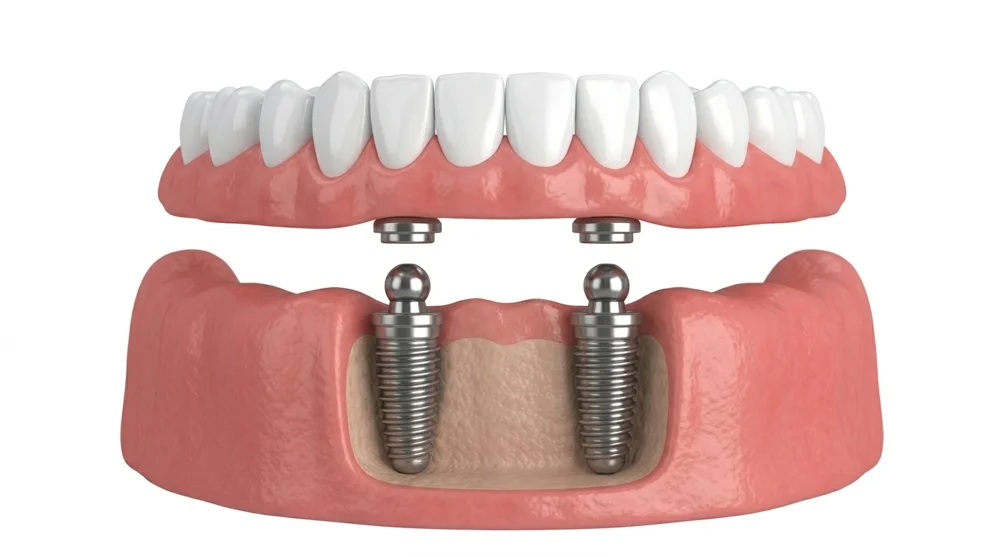
Implant-retained partials - Where extra stability is needed, a partial can clip onto one or more dental implants. See implant supported dentures for how that works.

Two friends in their sixties laughing over steak sandwiches on the verandah of a local bowls club

Why it matters

Benefits of partial dentures

  • Chew and speak more easily: Replacing missing teeth spreads your bite across more of the mouth, so eating is more comfortable and some words are clearer.
  • Protect the teeth you keep: A partial helps stop neighbouring teeth drifting or tipping into the gap and the opposite teeth growing down into it.
  • Support your face: Missing teeth, especially at the front or several at the back, can let the lips and cheeks fall in. A partial restores that support.
  • No surgery, and reversible: Nothing is drilled into bone, and a partial can usually be adapted if your mouth changes later.
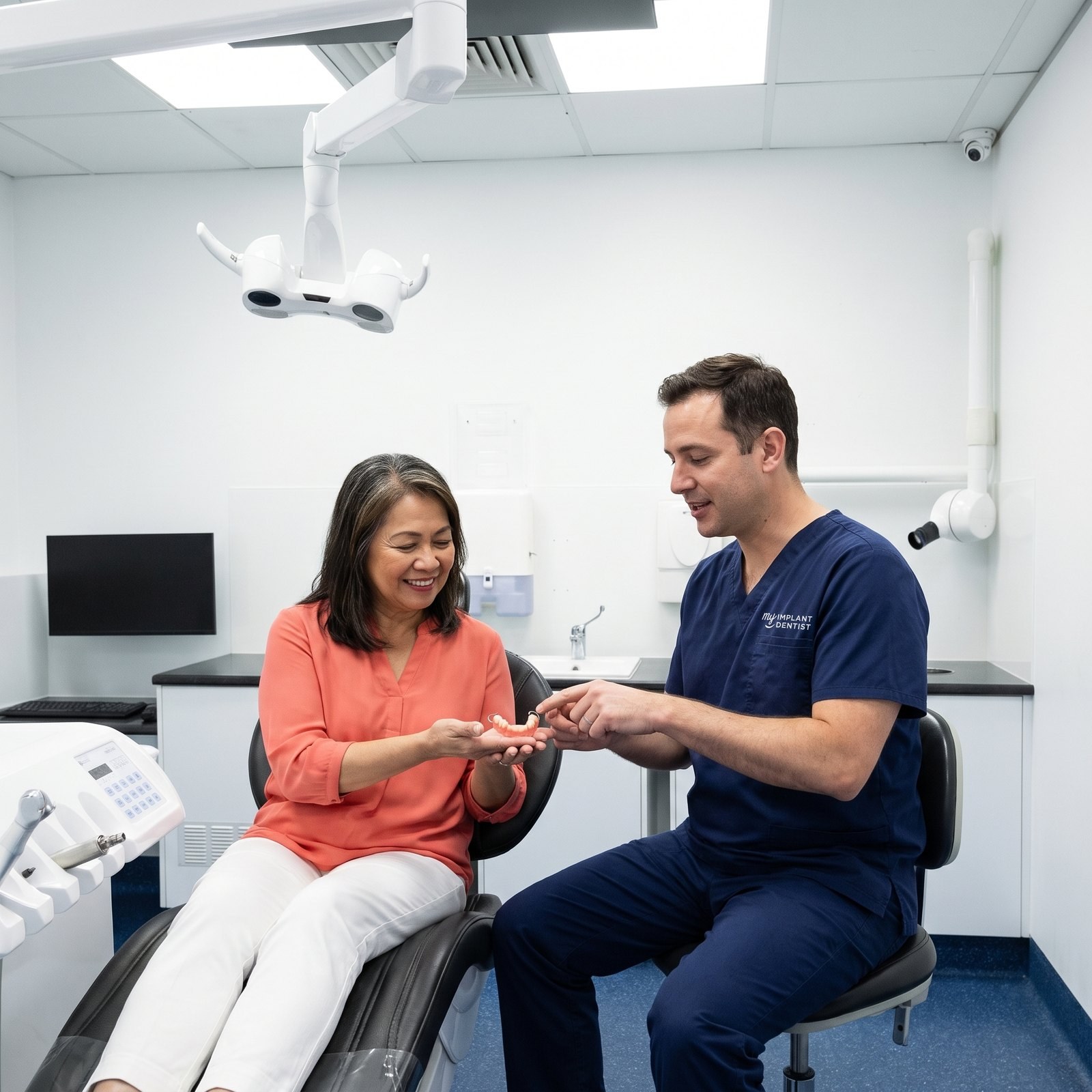
A dentist shows a patient an upper jaw model fitted with a cobalt chrome partial denture, a lower model on the desk

Tailored to you

Upper, lower, front and back partial dentures

  • Upper back teeth: Molars and premolars do most of the grinding, so an upper partial here focuses on stability and a comfortable palate. Chrome is often chosen for its slimmer cover.
  • Lower back teeth: A lower partial with gaps on both sides is joined by a thin bar behind the front teeth, which lets it sit firmly and share the load between the two sides.
  • Front teeth: A missing front tooth is noticeable, so appearance leads. Flexible clasps or careful clasp placement keep the plate discreet, and the replacement tooth is shaded to match its neighbours.
  • A single missing tooth: A small partial can be a simple, affordable way to fill one gap, either long term or while you plan a bridge or implant.

How it works

How partial dentures are made and fitted

A partial denture usually takes a few appointments over several weeks. The steps below are typical, although your dentist may add a visit if your design needs it.

01

Assessment and planning

Your dentist checks the remaining teeth and gums, may take X-rays, and treats any decay or gum problems first so the partial sits on a healthy foundation. Together you choose between acrylic, chrome and flexible.

02

Impressions and bite records

Accurate impressions of both jaws are taken, along with a record of how your teeth meet. For a chrome partial, small rest seats may be shaped on the supporting teeth so the framework sits flush.

03

Laboratory work and try-in

A dental laboratory builds the framework or base and sets the teeth. For chrome partials we usually try in the metal frame first, then the teeth in wax, so the fit and look can be checked before it is finished.

04

Fitting and review

We fit the finished partial, adjust clasps and pressure points, and show you how to put it in and take it out. A review a week or so later deals with any sore spots, and regular check-ups keep the fit on track.

Related care

More denture and tooth replacement options

A partial is one way to replace missing teeth. Compare the related options below, or book a consultation and your dentist will explain which suits your situation.

Good to know

Partial Dentures - frequently asked

How much do partial dentures cost?

It depends on the material and how many teeth the partial replaces. Acrylic partials are generally the most economical, cobalt chrome and flexible partials cost more, and implant-retained partials cost the most. After examining you we provide a written estimate with item numbers, so you know your cost and your likely rebate before treatment.

Acrylic, chrome or flexible partial: which suits me?

Acrylic suits people who want an economical or interim option, or who may lose more teeth and need them added later. Cobalt chrome suits people wanting a slimmer, stronger and longer-lasting partial, particularly for back teeth. Flexible partials suit people who want no metal clasps showing, but they are not right for every gap. Your dentist will recommend one after checking your teeth and bite.

How long do partial dentures last?

With good care, many partial dentures last a number of years. Cobalt chrome frames generally outlast acrylic, while clasps can loosen and gums change shape over time, so adjustments or relines are normal. Regular check-ups help us keep the partial fitting well and protect the teeth that hold it.

Is a partial denture or a bridge better?

A bridge is fixed in place and feels more like natural teeth, but the teeth on either side of the gap usually need to be prepared for crowns. A partial is removable, costs less and can replace teeth in several places at once without reshaping healthy teeth. Implants are another fixed option. We will compare all three for your mouth at your consultation.

How many teeth do you need for a partial denture?

There is no set number. A partial can replace one missing tooth or most of an arch, as long as there are enough healthy teeth to support and anchor it. If very few teeth remain or they are weak, a full denture or implant option may be more suitable.

Can I eat normally with a partial denture?

Most people return to a normal diet once they are used to it. Start with softer food cut into small pieces, chew on both sides, and avoid very sticky or hard foods at first. Take the partial out after meals to rinse it and clean around your natural teeth.

Should I sleep with my partial denture in?

It is generally recommended to take it out at night so your gums can rest and your natural teeth can be cleaned properly. Store it in water or a soaking solution so it does not dry out or warp.

Still have questions?

Ready to take the next step?

Booking online takes under a minute, or give our friendly team a call - new patients are always welcome.

  • Acrylic, chrome and flexible options
  • Clear advice on partial vs bridge vs implant
  • Written estimate before treatment
  • Preferred with Medibank, HCF, Bupa and Westfund
We Are Preferred Providers For
MedibankHCFBupaWestfund
Kallangur Dental Surgery is part of the My Implant Dentist Group