

1423 Anzac Ave, Kallangur QLD 4503
Dental emergency? (07) 3886 0933 ★★★★★ 4.8 | 169 reviews
Home / Services / Fissure Sealant

Fissure sealants on Anzac Avenue, Kallangur

Fissure Sealants
Kallangur

Fissure sealants: a thin shield for the teeth that decay first

Fissure sealants are a protective layer placed on the chewing surfaces of the back teeth, where the pits and grooves are the most common places for cavities to start. At Kallangur Dental Surgery on Anzac Avenue, sealing those grooves is a short, gentle appointment that usually needs no drilling and no anaesthetic, which is why parents across Kallangur, North Lakes, Petrie and Murrumba Downs often book it alongside a child's check-up.

  • Seals the deep grooves a toothbrush cannot reach
  • Usually no needles and no drilling, a few minutes per tooth
Kallangur Dental Surgery clinic

Your next step

Protect new adult molars while they are young

A sealant visit takes only minutes and may save your child a filling down the track. Ask about sealants at their next check-up in Kallangur, or book a visit to have their back teeth assessed.

  • Usually no needles and no drilling
  • Suited to newly erupted adult molars
  • Easy to add to a routine check-up
  • CDBS may cover eligible children

Accredited & compliant

QIP Accredited Dental PracticeAustralian Dental Association Member
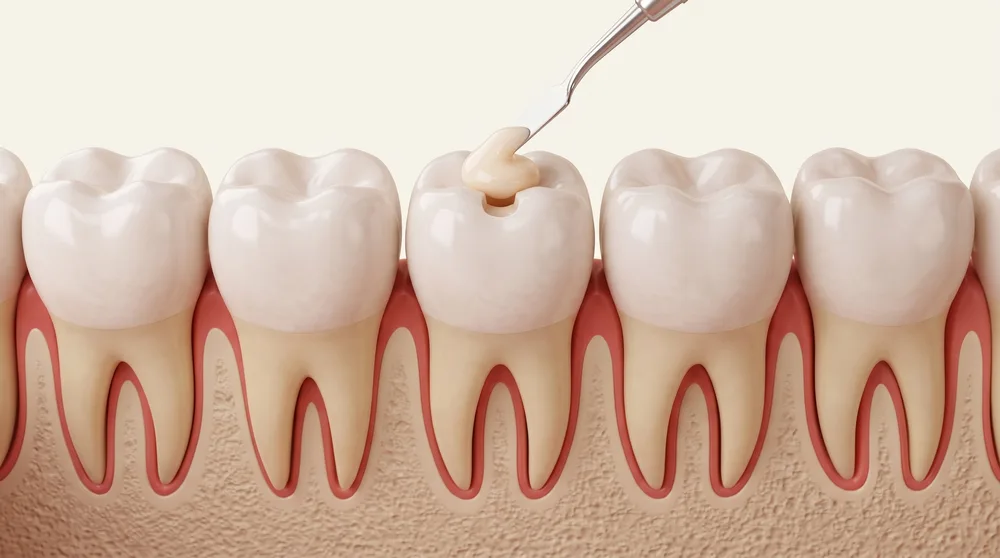
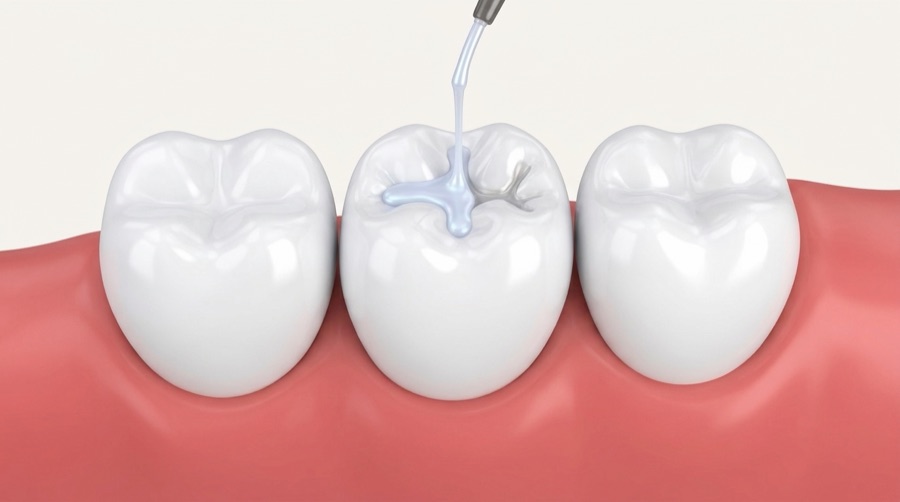
Render of a sealant flowing into the grooves of a molar, as placed at Kallangur Dental Surgery

The basics

What are fissure sealants?

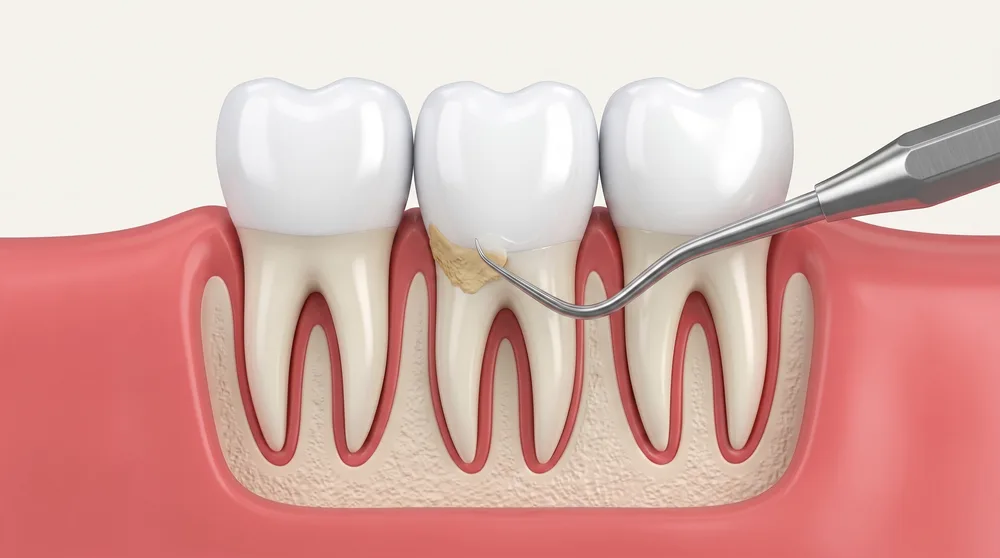
The top of every molar and premolar is shaped with narrow pits and fissures. They help us grind food, but they also collect plaque, and the bristles of a toothbrush are simply too thick to reach the bottom of them. Fluoride in Moreton Bay tap water and in toothpaste does not easily get down there either.

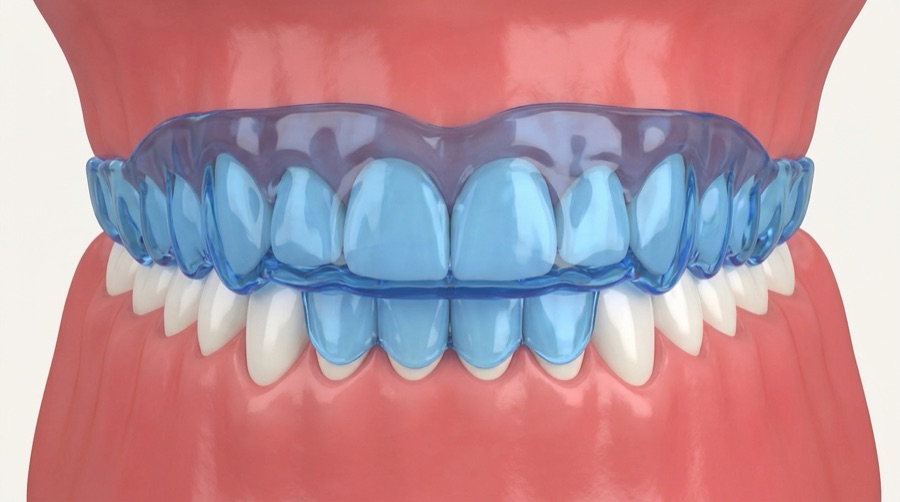
A fissure sealant is a white or clear composite resin, similar in make-up to a white filling, that is painted into those grooves and hardened. Once it is set, the surface is smoother and easier to clean, and bacteria have far fewer places to settle. Sealants look natural, so most people never notice a sealed tooth.

A Kallangur dentist showing a young boy and his mum the grooves on a model back tooth

Sealants for kids

At what age should kids get fissure sealants?

The usual windows are around age six, when the first permanent molars come through at the back of the mouth, and around age twelve, when the second molars arrive. A freshly erupted tooth has enamel that is still maturing, so sealing it soon after it appears protects it through the years when cavities are most likely.

Every child develops at their own pace, so Dr Sonia and our team look at the teeth at each visit and let you know when a tooth is ready. Some children with deep grooves in their baby molars may also be good candidates. If your child is eligible for the Child Dental Benefits Schedule, sealants may be covered, and we can check that for you. More on children's care is on our kids dentist page.

A dentist setting a fissure sealant on a teenager's back tooth with a curing light while an assistant helps

Benefits and risks

Teeth sealants: what they do, and what to watch for

Sealants add a layer of protection even for people who drink fluoridated water and brush twice a day. They can be helpful for anyone with a dry mouth, and for teenagers whose brushing is not always as thorough as their parents would like. Because the tooth does not need to be drilled, nothing healthy is removed.

Complications are uncommon. A sealant can occasionally feel high on the bite if the layer is thick, which we adjust before you leave, and a very small number of people react to the resin. We will talk through your child's history before we start. Sealants are an extra layer, not a replacement for brushing, flossing and fewer sugary snacks.

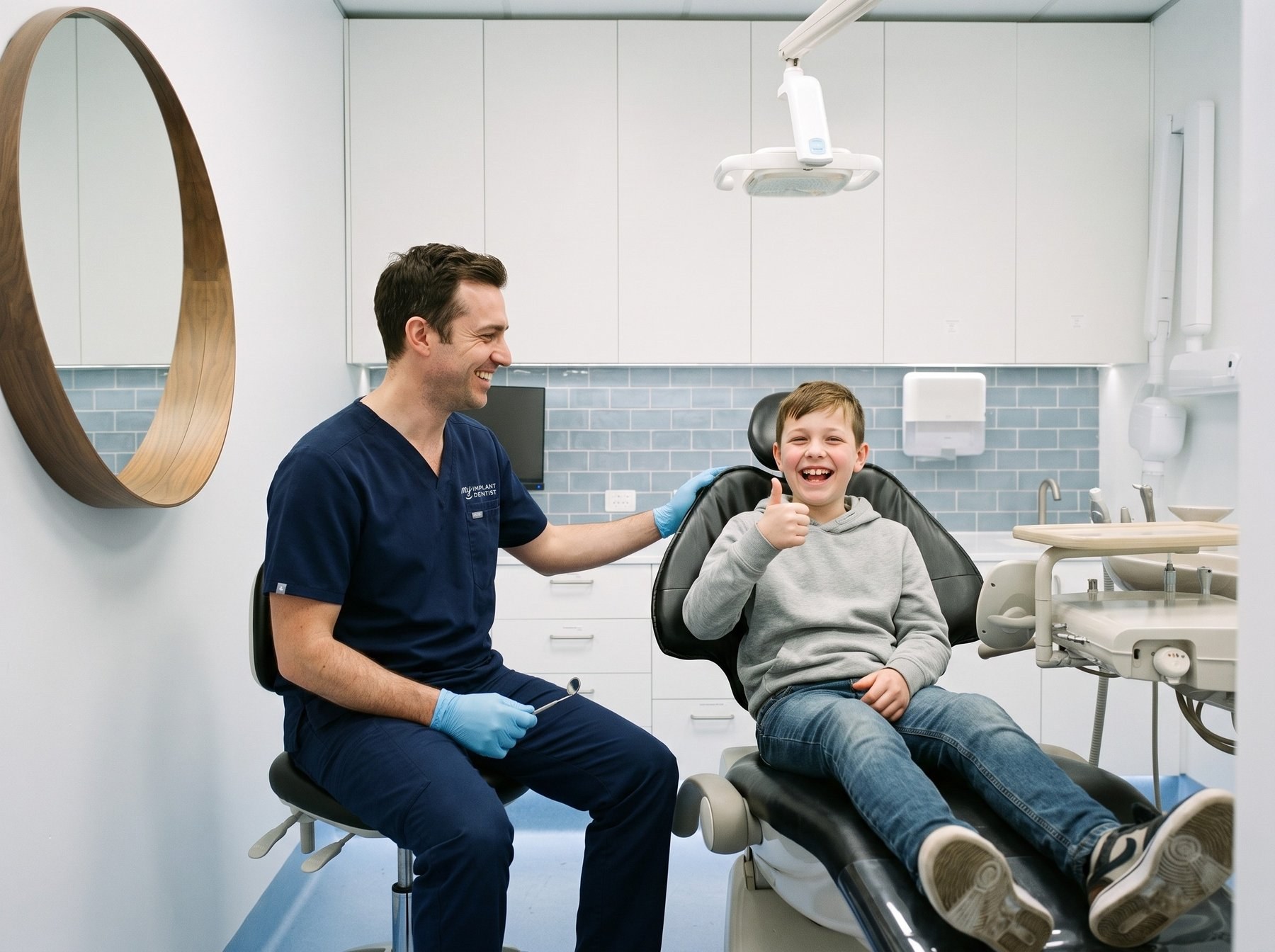
A boy giving a thumbs up in the dental chair after his sealants were checked at his check-up

Built to last

How long do fissure sealants last?

A well-placed sealant commonly lasts several years, and often right through the teenage years. How long depends on the tooth, the bite, habits such as chewing ice or pens, and how well the tooth could be kept dry while it was placed.

We check every sealant at your six-monthly check-up and clean. If one has chipped or worn thin, it can be topped up in a few minutes without starting again. Keeping up regular visits at our Kallangur practice is what keeps the protection working.

How it works

How a fissure sealant is placed in Kallangur

Having a sealant is shorter and simpler than having a filling. There is normally no need for local anaesthetic and no drilling. The steps are:

01

Clean and dry

We polish the chewing surface so no plaque or food is left in the grooves, then keep the tooth dry with cotton rolls. A dry surface is what lets the sealant bond properly.

02

Prepare the enamel

A mild conditioning gel is placed on the grooves for a few seconds, then rinsed and dried. It gives the enamel a slightly textured finish so the resin grips firmly.

03

Paint on the sealant

The liquid sealant is brushed onto the tooth, where it flows down into the pits and fissures. It is tooth-coloured or clear, so it blends in.

04

Set and check the bite

A blue curing light hardens the resin in seconds. We then check your child's bite and smooth off any excess so the tooth feels normal straight away.

Related care

Preventive dental care for the whole family

Sealants work well when they are part of a regular routine. Here are other ways our Kallangur team helps keep teeth healthy.

Good to know

Fissure Sealant - frequently asked

What are fissure sealants?

Fissure sealants are a thin coating of tooth-coloured resin placed into the pits and grooves on the chewing surfaces of back teeth. Those grooves trap food and plaque and are hard to clean with a brush, which is why they are where most cavities begin. The sealant fills them in so the surface is smooth and easier to keep clean.

At what age should kids get fissure sealants?

Most children are assessed for sealants when the first permanent molars appear, at about six, and again when the second molars arrive, at about twelve. Sealing a tooth soon after it comes through gives it protection while its enamel is still maturing. We look at each child individually, because teeth arrive at different times.

How long do fissure sealants last?

Sealants often last for several years, and we check them at each routine visit. If one wears or chips, it can usually be repaired or topped up quickly. Hard habits such as chewing ice can shorten their life.

Are fissure sealants covered by CDBS or health funds?

Fissure sealants are a preventive item under the Child Dental Benefits Schedule, so eligible children may have them covered, subject to their available benefit. Many extras policies also include a rebate for sealants, and we claim on the spot through HICAPS. The cost depends on how many teeth are sealed, and we will confirm it before we begin.

Does getting a sealant hurt?

Having a sealant placed is usually very comfortable. In most cases there are no needles and no drilling: the tooth is cleaned, dried, painted and set with a light. The trickiest part for younger children is keeping their mouth open for a few minutes, and our team takes it at their pace.

Can adults have fissure sealants?

Yes. Adults with deep grooves that keep trapping food, or with a dry mouth, may benefit, as long as the tooth has no decay or existing filling in that surface. Ask about it at your next check-up and we can tell you whether it would help.

Still have questions?

Ready to take the next step?

Booking online takes under a minute, or give our friendly team a call - new patients are always welcome.

  • Usually no needles and no drilling
  • Suited to newly erupted adult molars
  • Easy to add to a routine check-up
  • CDBS may cover eligible children
We Are Preferred Providers For
MedibankHCFBupaWestfund
Kallangur Dental Surgery is part of the My Implant Dentist Group