

1423 Anzac Ave, Kallangur QLD 4503
Dental emergency? (07) 3886 0933 ★★★★★ 4.8 | 169 reviews
Home / Services / Gum Disease

Gum disease in Kallangur, Moreton Bay

Gum Disease Treatment in Kallangur

Sick and tired of sore, bleeding gums?

Gum disease treatment at Kallangur Dental Surgery starts with finding out which stage you are at, because the treatment for mild gingivitis is very different from what an advanced case needs. Bleeding when you brush, gums that look puffy or have pulled back, and bad breath that will not go away are all signs worth acting on. We explain what we find in plain language and give you a clear plan and costs for each step.

  • Treatment matched to each stage, from gingivitis to periodontitis
  • Oral health therapist Mohit Patel helps with cleaning and home care
Kallangur Dental Surgery clinic

New patients welcome

New to Kallangur Dental?

Book our new patient offer today to receive:

  • Comprehensive oral examination
  • Removal of calculus - first appointment
  • 2 bitewing X-rays (if required)
  • Topical remineralisation (fluoride)
  • Oral cancer screening
  • Treatment planning

*Terms, conditions and item codes apply. Please contact us for full details.

$199 Check-Up, Clean and X-Rays Select “New Patient Offer” when booking.

Accredited & compliant

QIP Accredited Dental PracticeAustralian Dental Association Member
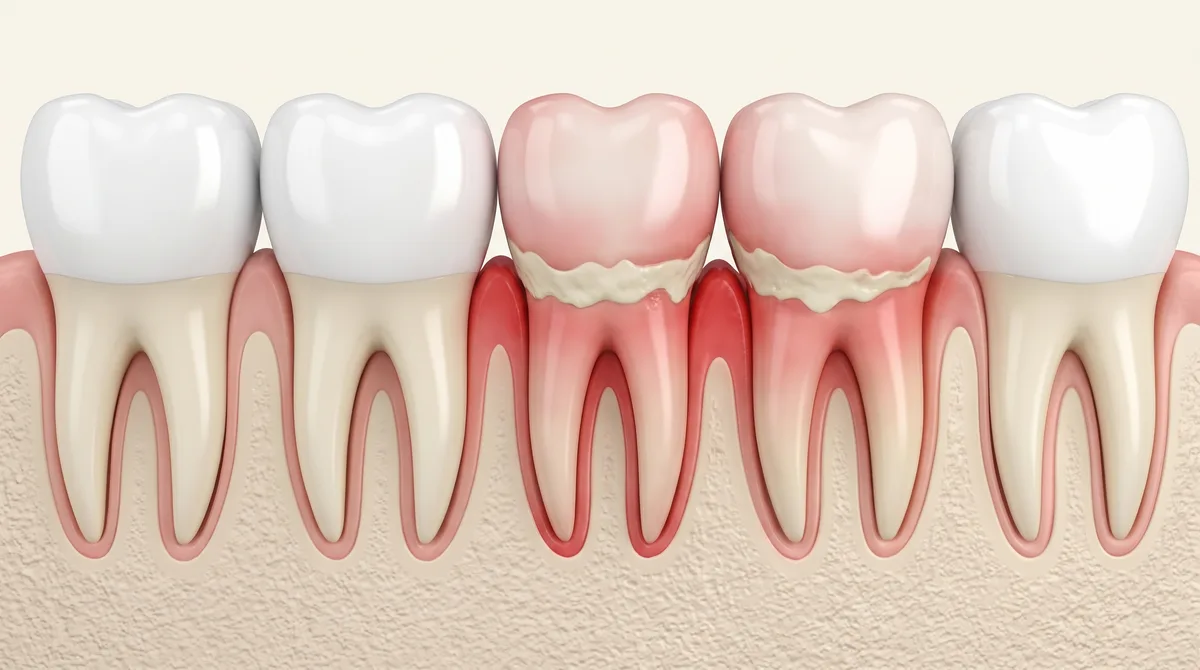
Illustration comparing healthy gums with red, receding gums and plaque

How it starts

What is gum disease?

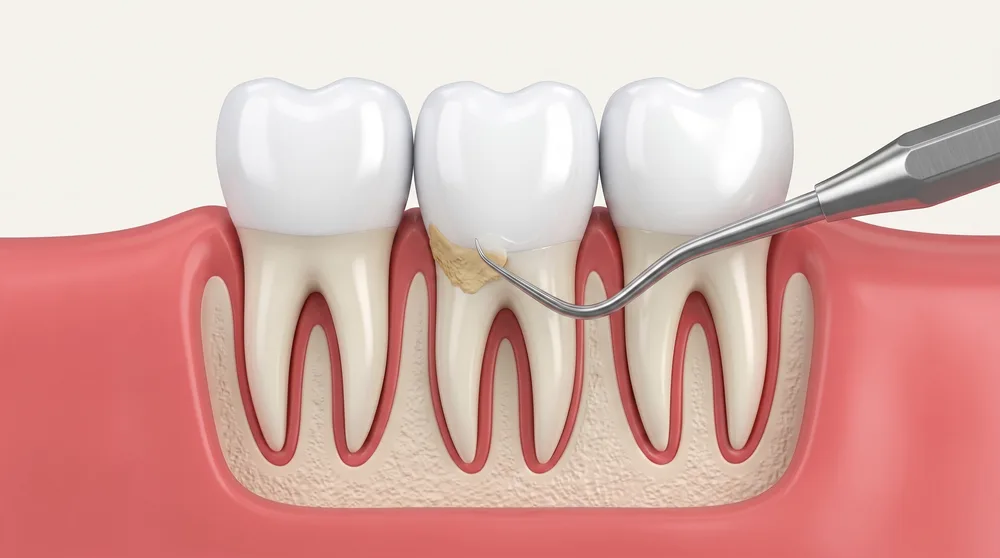
Gum disease, or periodontal disease, is an infection of the tissues that hold your teeth in place: the gums, the fibres that attach them to the tooth and the bone underneath. It starts with plaque, the soft, sticky film of bacteria that forms on teeth every day. Brushing and cleaning between the teeth removes it, but plaque left behind hardens into tartar (calculus) within days, and tartar cannot be brushed off.

Bacteria in plaque and tartar irritate the gums, which respond by becoming red, swollen and quick to bleed. Smoking, diabetes, pregnancy and other hormone changes, some medications, stress and family history all make that reaction stronger. Because the early stages rarely hurt, many people in Kallangur, North Lakes and Petrie only find out they have gum disease at a check-up.


A dentist pointing out the bone levels on a patient's panoramic X-ray to explain his stage of gum disease

Gingivitis to advanced periodontitis

The stages of gum disease and gingivitis treatment

Gum disease is usually described in three stages, and each one needs a different level of care.

  1. Gingivitis. Inflamed gums and plaque at the gumline, often with bleeding when you brush or floss. The bone and fibres are still healthy, so gingivitis treatment is straightforward: a professional scale and clean plus better daily cleaning usually turns it around within weeks.
  2. Periodontitis. The fibres and bone that support the teeth start to break down, and pockets form between gum and tooth where plaque and food get trapped. Treatment involves cleaning deep below the gumline, often over more than one visit, followed by regular maintenance.
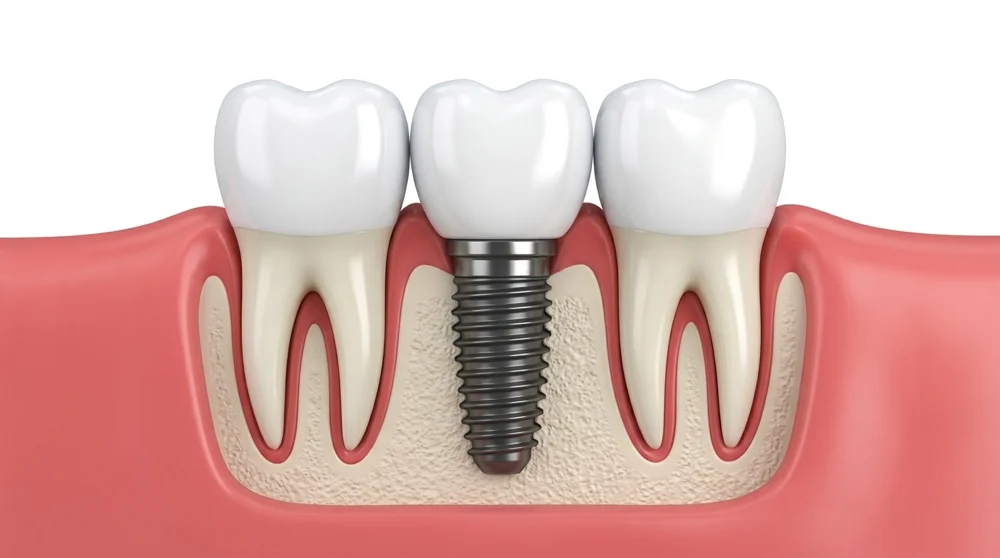
  3. Advanced periodontitis. Significant bone has been lost, teeth may become loose or drift, and chewing can be painful. Treatment focuses on controlling the infection and saving the teeth that can be kept. If teeth are lost, replacements such as implants can be discussed once the gums are stable. Where a case needs it, we can refer you to a periodontist.

Your next step

Bleeding or receding gums?

The sooner gum disease is treated, the more of your gum and bone you keep. Book a visit at Kallangur Dental Surgery and we will measure your gums, take X-rays to check the bone, explain which stage you are at and give you a written plan and estimate before treatment starts.

  • Care for gingivitis and periodontitis
  • A gum-care plan made for you
  • HICAPS claiming for all health funds
  • Friendly, judgement-free advice
A woman brushing her teeth with a soft toothbrush angled towards the gumline at her bathroom basin

Everyday habits

How to prevent gum disease coming back

Once your gums have settled, keeping them healthy is mostly about routine:

  • Brush for two minutes, twice a day with a soft brush angled towards the gumline.
  • Clean between your teeth daily with floss or interdental brushes. This is where gum disease usually starts.
  • Keep sugary and starchy snacks to mealtimes, and eat plenty of fruit and vegetables with vitamins A and C.
  • Quit smoking, which hides bleeding and slows healing.
  • Keep your maintenance visits. People who have had periodontitis usually need a professional clean every three to six months. Our check-up and clean appointments are where we measure your gums and catch any change early.

Related care

Periodontal treatment and related care

From your regular clean to replacing a lost tooth, these are the treatments our Kallangur team uses to manage gum disease and the problems it causes. Persistent bad breath is often linked to gum disease too, and our bad breath treatment page explains how we get to the cause.

Good to know

Gum Disease - frequently asked

How much does gum disease treatment cost?

It depends on the stage. At Kallangur Dental Surgery, gum disease treatment starts from $250 for early-stage care, and more advanced periodontal treatment over several visits costs more. After measuring your gums and taking X-rays we give you a written estimate for each stage, and your health fund may cover part of it through HICAPS.

Can gum disease be reversed?

Gingivitis can usually be reversed with a professional clean and good daily brushing and cleaning between the teeth. Periodontitis cannot be undone, because lost bone and gum do not grow back, but it can be brought under control and stopped from getting worse with deep cleaning and regular maintenance.

Why do my gums bleed when I brush?

Healthy gums should not bleed. Bleeding is usually the first sign of gingivitis, where plaque at the gumline has inflamed the gums. Keep brushing gently and cleaning between your teeth, and book a clean. Most bleeding settles within a couple of weeks once the plaque and tartar are removed.

What is the difference between gingivitis and periodontitis?

Gingivitis affects only the gums and can be reversed. Periodontitis is when the infection has spread to the fibres and bone that hold the teeth, forming pockets under the gum. It needs deeper cleaning and ongoing care, and if left untreated can lead to loose teeth and tooth loss.

How many visits does gum treatment take?

Gingivitis is often managed with one clean and a review. Periodontitis usually needs two or more visits for deep cleaning, a review a few weeks later to check healing, and then maintenance cleans every three to six months. We will tell you the likely number of visits at the start.

What are the signs of gum disease?

Look out for bleeding when you brush or floss, red, swollen or tender gums, gums pulling back so teeth look longer, persistent bad breath, pus between the teeth, teeth that feel loose or have moved, and pain when chewing.

Is gum disease contagious?

Gum disease itself is not considered contagious, but the bacteria involved can be shared through saliva, for example by sharing cutlery or toothbrushes. Good oral hygiene for the whole household helps.

Can I have treatment if I am nervous?

Yes. Deep cleaning is done with local anaesthetic so the area is numb, and you can ask to stop for a break at any time. If you are very anxious, let us know when you book. Sleep dentistry may be available for some patients, so ask our team whether it suits you.

Still have questions?

Ready to take the next step?

Booking online takes under a minute, or give our friendly team a call - new patients are always welcome.

  • Care for gingivitis and periodontitis
  • A gum-care plan made for you
  • HICAPS claiming for all health funds
  • Friendly, judgement-free advice
We Are Preferred Providers For
MedibankHCFBupaWestfund
Kallangur Dental Surgery is part of the My Implant Dentist Group