1423 Anzac Ave, Kallangur QLD 4503
Dental emergency? (07) 3886 0933 ★★★★★ 4.8 | 169 reviews
Home / Services / Tooth Extraction

Tooth extraction and oral surgery in Kallangur

Tooth Extraction
Kallangur

Tooth extraction in Kallangur, done carefully and only when needed

If a tooth is too broken, decayed or infected to keep, a tooth extraction at Kallangur Dental Surgery removes it gently under local anaesthetic, with sedation on offer for nervous patients. We look at saving the tooth first, explain whether a simple or surgical extraction is needed, and help you decide how to fill the gap afterwards. Patients come to our Anzac Avenue practice from across the Moreton Bay region, including North Lakes, Petrie and Murrumba Downs.

  • Urgent toothache appointments given priority each weekday
  • Simple and surgical extractions under local anaesthetic, with sedation available
  • Written aftercare and a plan for replacing the tooth
Kallangur Dental Surgery clinic

In pain? Act now

Painful tooth? Call our Kallangur team today

Ring (07) 3886 0933 and we will find the soonest time to see you. Your dentist will check whether the tooth can be saved, and if it has to come out, remove it gently and explain your options for replacing it.

  • We try to save the tooth first
  • Local anaesthetic, with sedation available
  • Health funds claimed on the spot through HICAPS
  • Queensland Health emergency vouchers and DVA accepted

Accredited & compliant

QIP Accredited Dental PracticeAustralian Dental Association Member
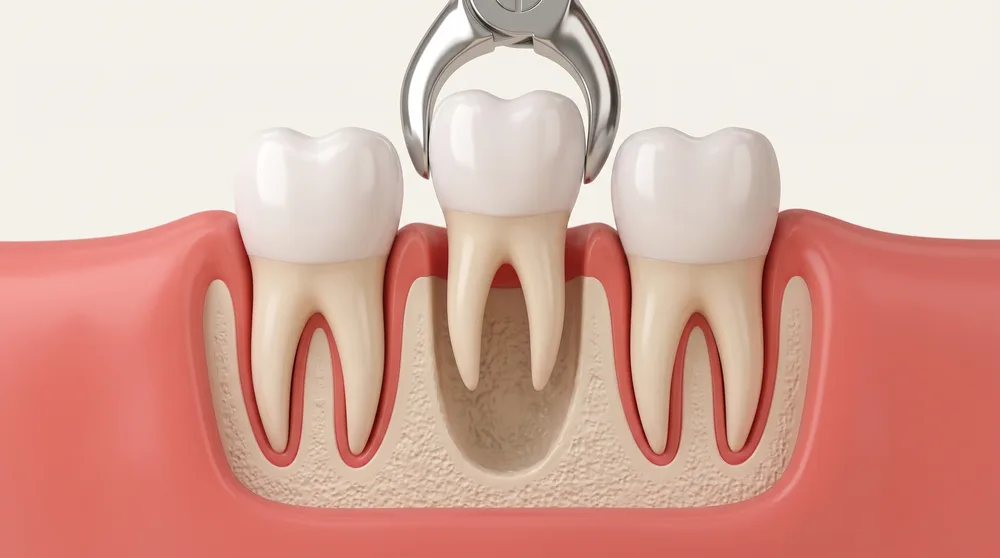
Illustration of a damaged tooth being lifted from its socket during an extraction in Kallangur

Why teeth come out

When is oral surgery or a tooth extraction needed?

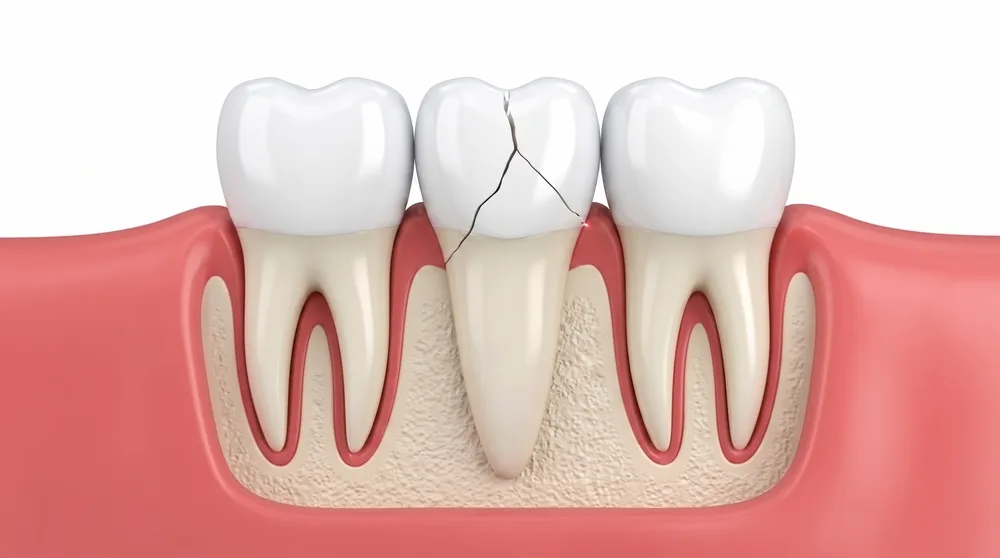
Oral surgery covers a range of minor procedures on the teeth and jaw, and removing a tooth is the one our Kallangur dentists perform most often. We usually recommend it when a tooth has broken below the gum line, when decay has gone too deep for a filling, crown or root canal, when gum disease has left a tooth loose, or when an infection keeps returning.

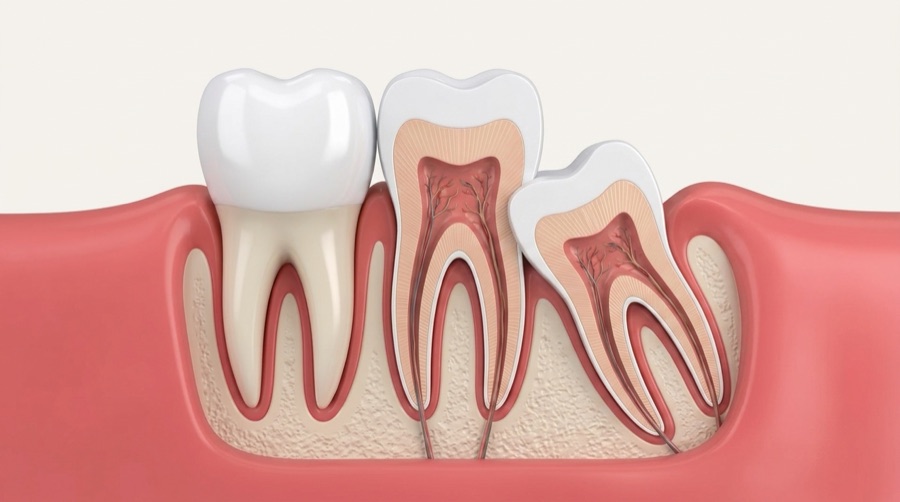
Impacted wisdom teeth are another common reason. If a wisdom tooth is causing repeated pain or infection, your dentist will take photos and X-rays, show you what is happening, and with your permission remove it before it damages the teeth and gums beside it. Sometimes a tooth is taken out as part of a bigger plan, such as making room for orthodontic treatment or preparing for a dental implant.
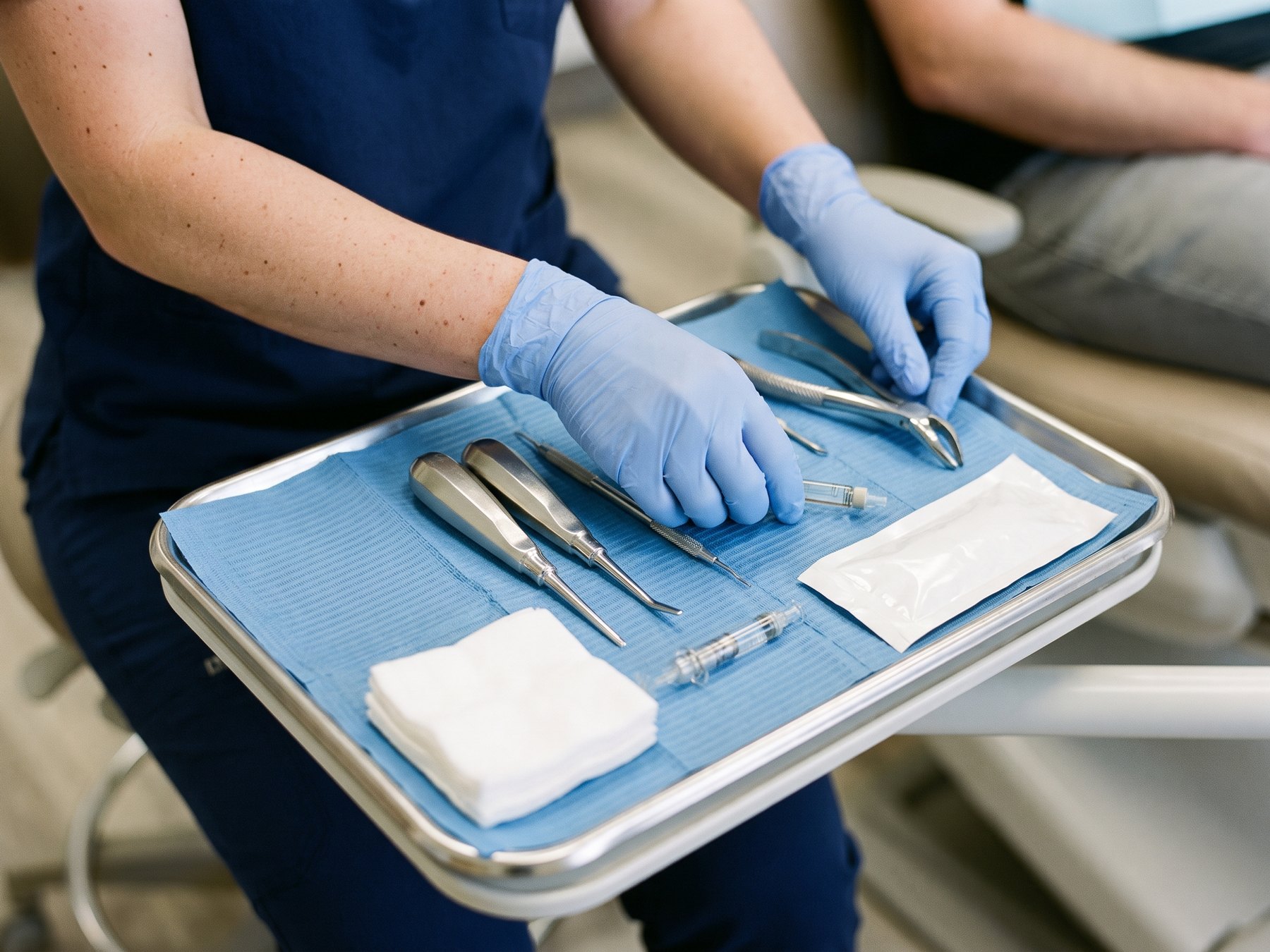
A dental assistant laying out extraction instruments, gauze and a suture pack on a sterile tray

Simple or surgical

Simple vs surgical tooth extraction

A simple extraction is for a tooth that has fully come through the gum and can be seen clearly. Once the area is numb, the dentist loosens the tooth with gentle, controlled movements and lifts it out, often in a few minutes.

A surgical extraction is more involved. It is used for a tooth that has not fully erupted, has broken off at the gum line, or has curved or tangled roots. The dentist may make a small opening in the gum or divide the tooth into sections so it can be removed with less force, then place a few stitches. Because it takes longer and needs more steps, a surgical extraction costs more than a simple one. We will tell you which type you need after your X-ray, before anything goes ahead.

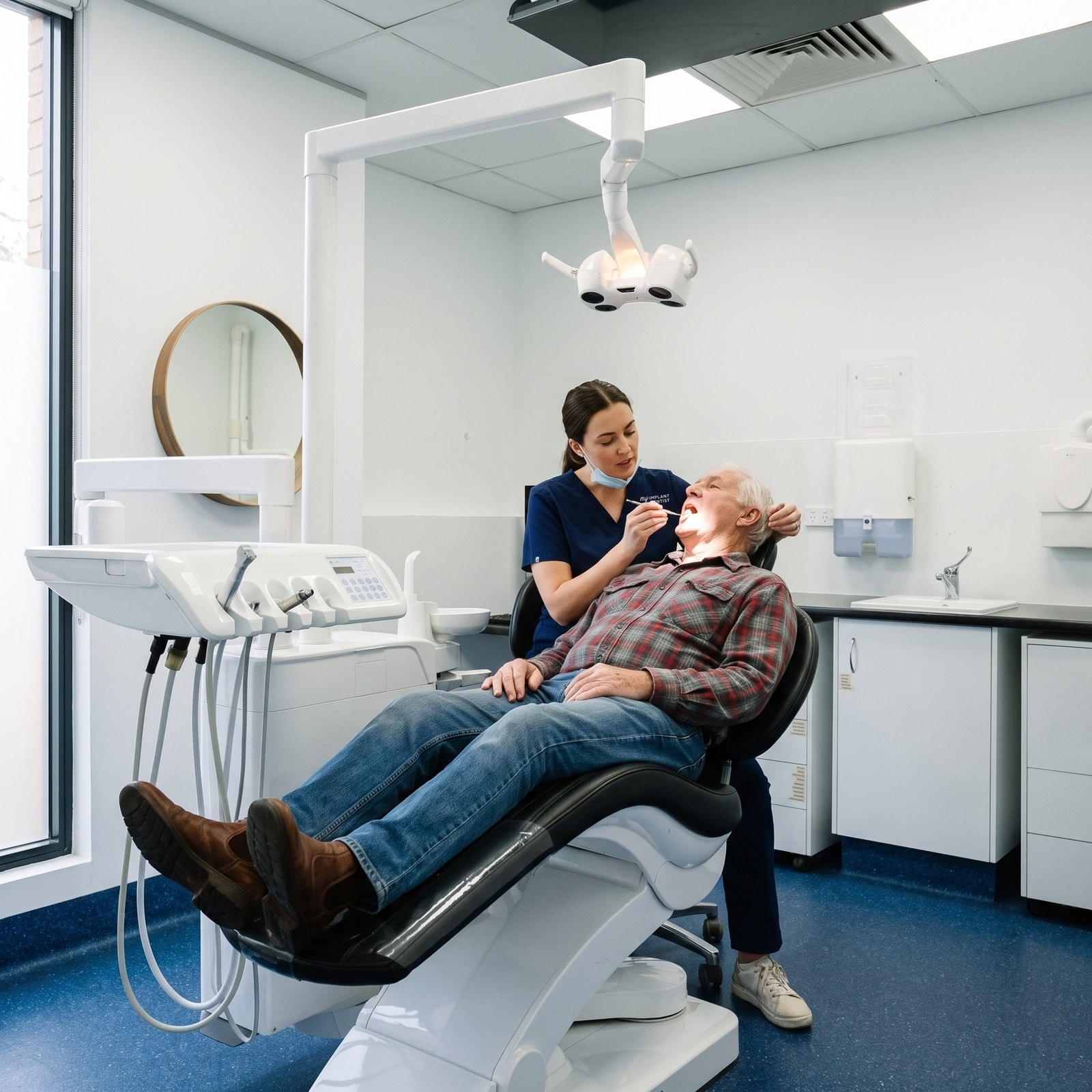
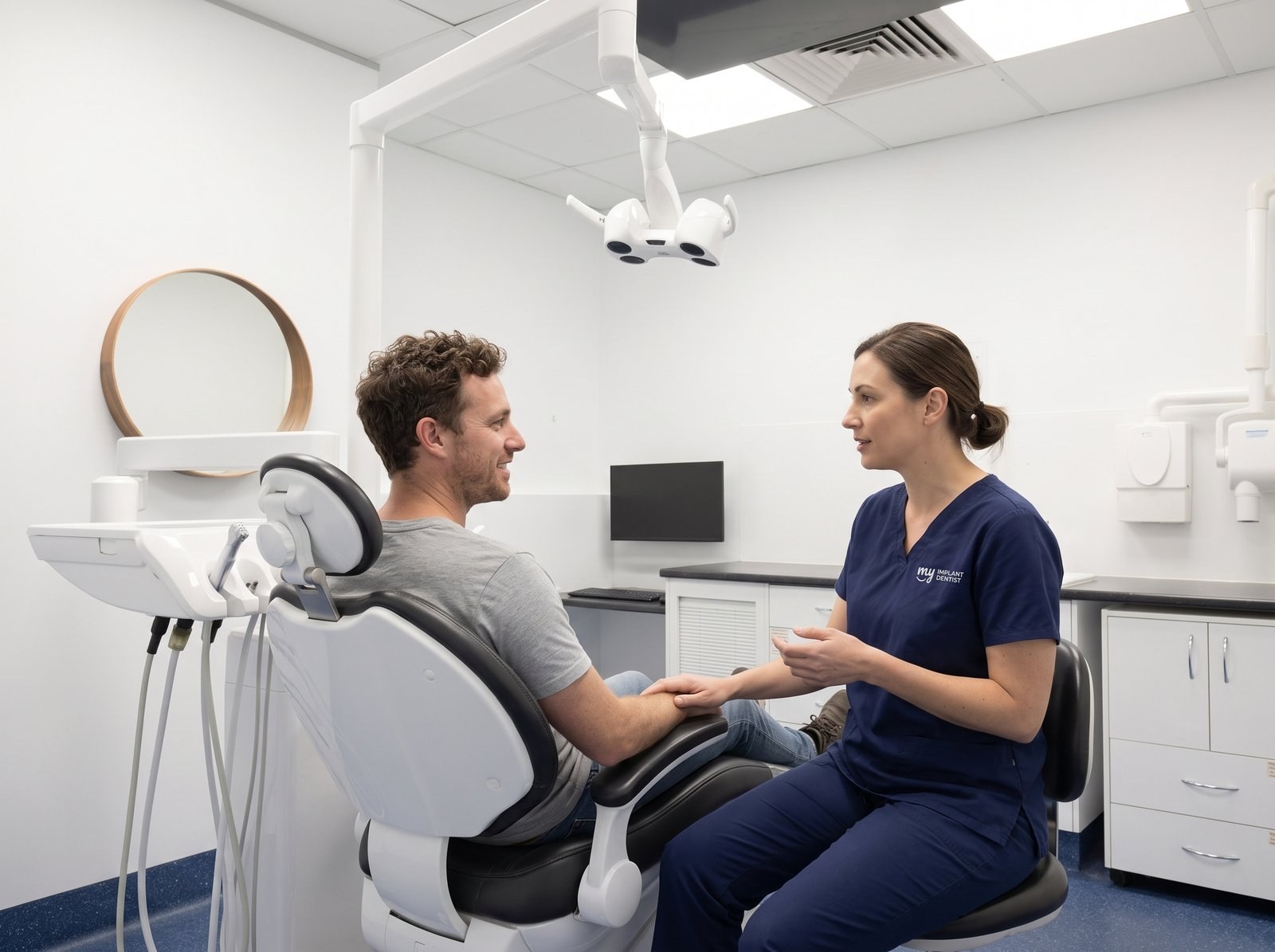
Kallangur dentist reassuring a patient before a tooth extraction

Comfort

Does tooth extraction hurt? Local anaesthetic and sedation

Before we begin, the tooth and gum are numbed with local anaesthetic, so you feel pressure and movement rather than sharp pain. If you are nervous, oral sedation (a prescribed tablet taken beforehand) helps you feel relaxed while staying awake, and IV sedation is available for suitable patients. If you are very anxious, tell us when you book and your dentist will go through the comfort options that suit you.

Once the anaesthetic wears off it is normal to feel sore for a few days. Over-the-counter pain relief usually manages this well. If the pain grows stronger after day two or three instead of settling, call the practice so we can check the socket.

How it works

Your tooth extraction, step by step

From the first X-ray to the day you decide how to replace the tooth, here is what happens at our Kallangur practice.

01

Examination and X-ray

Your dentist examines the tooth and takes an X-ray to see the roots and surrounding bone. If a filling, crown or root canal can keep the tooth, we will say so. Extraction only goes ahead when keeping it is not the healthier choice.

Book now →
02

Numbing and removal

The area is numbed with local anaesthetic, and oral or IV sedation can be arranged beforehand if you would like it. The tooth is then eased out, or for a surgical extraction, removed in sections through a small opening in the gum.

03

Recovery at home

You go home with written instructions for the first 24 hours and the week that follows: how to protect the blood clot, what to eat, how to rinse gently and what to watch for while the gum closes over.

04

Filling the gap

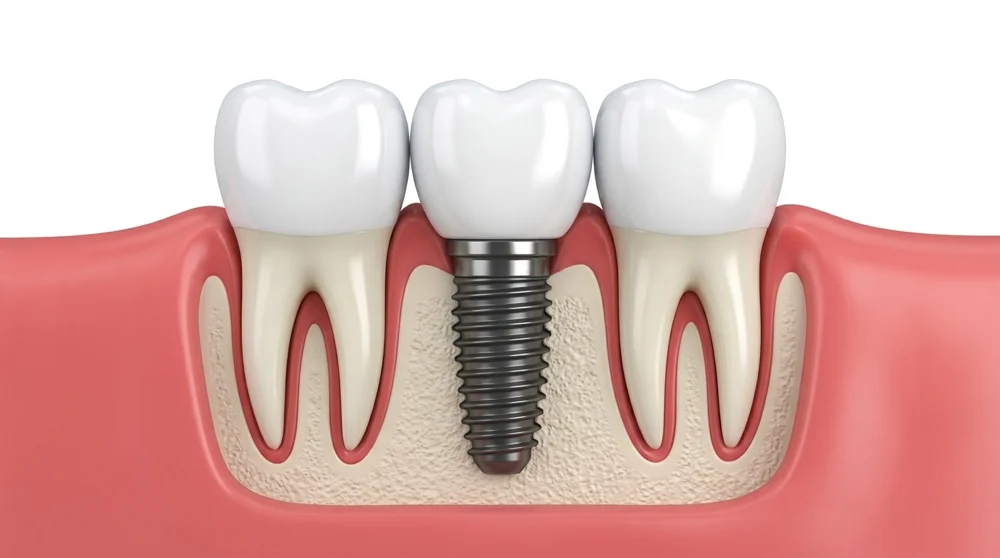
Unless it was a wisdom tooth, we talk through replacing it with a dental implant, a dental bridge or a denture, so nearby teeth do not drift and the jawbone stays healthier.

Related care

Treatments that often follow an extraction

Why the tooth came out, and what replaces it, decides what happens next. These are the treatments Kallangur patients most often need alongside a tooth extraction.

Good to know

Tooth Extraction - frequently asked

How much does a tooth extraction cost in Kallangur?

It depends on the tooth and how it needs to come out. A simple extraction of a visible tooth costs less than a surgical extraction of a broken or impacted tooth, which takes more time and steps. As a guide, tooth extractions at Kallangur Dental Surgery start from $320, and your dentist gives you a written estimate after the X-ray, before treatment. If you have extras cover, your rebate is claimed on the spot through HICAPS.

Does tooth extraction hurt?

The area is numbed with local anaesthetic first, so most patients feel pressure rather than pain during the extraction. Oral or IV sedation can be arranged if you would like help relaxing. Some soreness for a few days afterwards is normal and is usually managed with over-the-counter pain relief.

How long does it take to recover from a tooth extraction?

Most people feel much better after two or three days, and the gum usually closes over within one to two weeks. The bone underneath keeps remodelling for a few months. After a simple extraction, most patients are back at work or school the next day, while a surgical extraction may need a day or two of rest.

What can I eat after a tooth extraction?

For the first day or two, choose soft, cool or lukewarm foods such as yoghurt, soup that has cooled, scrambled eggs, mashed potato and smoothies eaten with a spoon. Chew on the other side, avoid crunchy, hot or spicy food, and skip straws, smoking and alcohol for at least 24 hours so the blood clot stays in place.

What is a dry socket?

A dry socket happens when the blood clot in the socket is lost before the gum has healed, leaving the bone exposed. It is not common, but it is painful and usually shows up two to four days after the extraction as pain that gets worse instead of better. Call us if that happens, as it is simple to treat.

Should I replace an extracted tooth?

In most cases, yes, unless it was a wisdom tooth. When a gap is left, the teeth beside it can tip into the space, the opposite tooth can over-erupt and the bone underneath slowly shrinks. A dental implant, bridge or partial denture keeps your bite stable, and your dentist can explain which suits your mouth and budget.

Do I need sedation for a tooth extraction?

Most extractions only need local anaesthetic. For patients who feel anxious, oral sedation can take the edge off while you stay awake, and IV sedation suits longer or more complex extractions. If you are very nervous or the extraction is complex, talk to us when you book so we can plan the most comfortable approach for you.

In pain? Act now

Still in pain? Call us now

Emergency patients are prioritised every day - call us and we will see you as soon as possible.

  • We try to save the tooth first
  • Local anaesthetic, with sedation available
  • Health funds claimed on the spot through HICAPS
  • Queensland Health emergency vouchers and DVA accepted
We Are Preferred Providers For
MedibankHCFBupaWestfund
Kallangur Dental Surgery is part of the My Implant Dentist Group