


1423 Anzac Ave, Kallangur QLD 4503
Dental emergency? (07) 3886 0933 ★★★★★ 4.8 | 169 reviews
Home / Services / Toothache

Toothache in Kallangur, Moreton Bay

Toothache Treatment in Kallangur

Toothache treatment on Anzac Avenue

A toothache can go from a dull ache to throbbing pain that keeps you up at night. At Kallangur Dental Surgery we see toothache every week, from mild sensitivity to severe toothache with swelling. We find the cause, get you out of pain and talk you through the treatment options before anything is done, whether you live in Kallangur itself or nearby in Petrie, Dakabin or Murrumba Downs.

  • Urgent tooth pain prioritised when you call
  • X-ray diagnosis so we treat the right tooth
Kallangur Dental Surgery clinic

In pain? Act now

Severe toothache? Call us now

Do not sit with a severe toothache or swelling. Call (07) 3886 0933 and we will find the earliest appointment we can. Urgent pain is prioritised every day, and QLD Health emergency vouchers and DVA cards are accepted.

  • Urgent tooth pain prioritised each day
  • X-ray diagnosis of the cause
  • Pain relief and treatment options explained
  • HICAPS claiming for all health funds

Accredited & compliant

QIP Accredited Dental PracticeAustralian Dental Association Member
Dentist showing a teenager and his mother a model of a molar cut in half to reveal the nerve inside

Why it hurts

What causes a toothache?

Inside every tooth is the pulp, a small bundle of nerves and blood vessels. When something irritates it, you feel it. The most common triggers we see are:

  • Tooth decay. Plaque bacteria turn sugar into acid, which slowly dissolves enamel. Once the hole reaches the softer dentine underneath, hot, cold and sweet things start to sting.
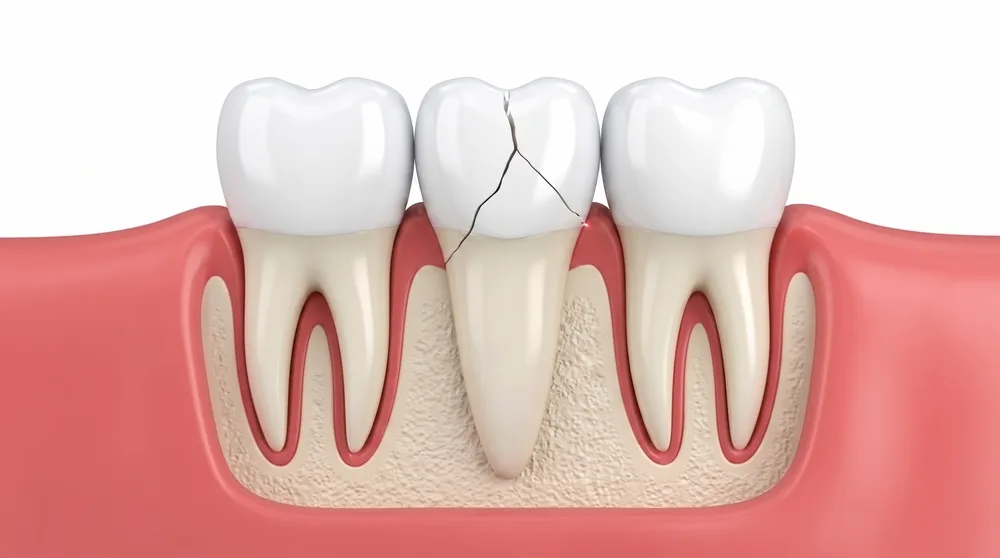
  • A crack or chip. A cracked tooth often hurts sharply when you bite and release. A chipped tooth or lost filling can leave the inner layer exposed.
  • Tooth infection or abscess. If decay or a crack lets bacteria reach the nerve, an infection can form at the tip of the root. This is the throbbing, keep-you-awake kind of pain.
  • Gum disease. Inflamed gums and exposed roots can ache and feel tender when you brush.
  • Wisdom teeth. A partly erupted wisdom tooth traps food and the gum over it can become swollen and sore.

Sometimes pain comes from somewhere else entirely, such as sinus congestion or a clenched jaw, which is why an examination matters.


Man lying awake at night with his hand on his jaw because of toothache while his partner sleeps

Night-time pain

Why does my tooth hurt at night but not during the day?

This is one of the questions we are asked most. When you lie down, more blood flows to your head, which increases the pressure around an inflamed nerve, so an ache you could ignore at your desk becomes hard to sleep through. There are also fewer distractions at night, so you notice it more.

Grinding or clenching while you sleep can add to it, leaving a tooth or your jaw sore in the morning. If your tooth hurts at night but not during the day, it usually means the nerve is already inflamed. That is worth having checked within a few days, before it becomes a tooth infection.

Young woman wincing and touching her cheek after biting gelato, a sign of sensitive teeth

Sensitivity and decay

Sensitive teeth and early tooth decay

A quick zing from ice cream or a cold drink is not always a cavity. Sensitivity can come from worn enamel, gums that have pulled back from the roots, brushing too hard, acidic food and drink, or grinding. Treatment ranges from a desensitising toothpaste and a softer brush, to bonding over exposed root surfaces, to a night guard if you grind.

Tooth decay, on the other hand, often has no symptoms early on. Signs to look out for are brown, black or chalky white spots, food catching in one spot, bad breath and pain when you bite. Children's teeth have thinner enamel, so decay can move faster in young mouths. Catching it at a check-up and clean means a small tooth-coloured filling instead of a root canal later.

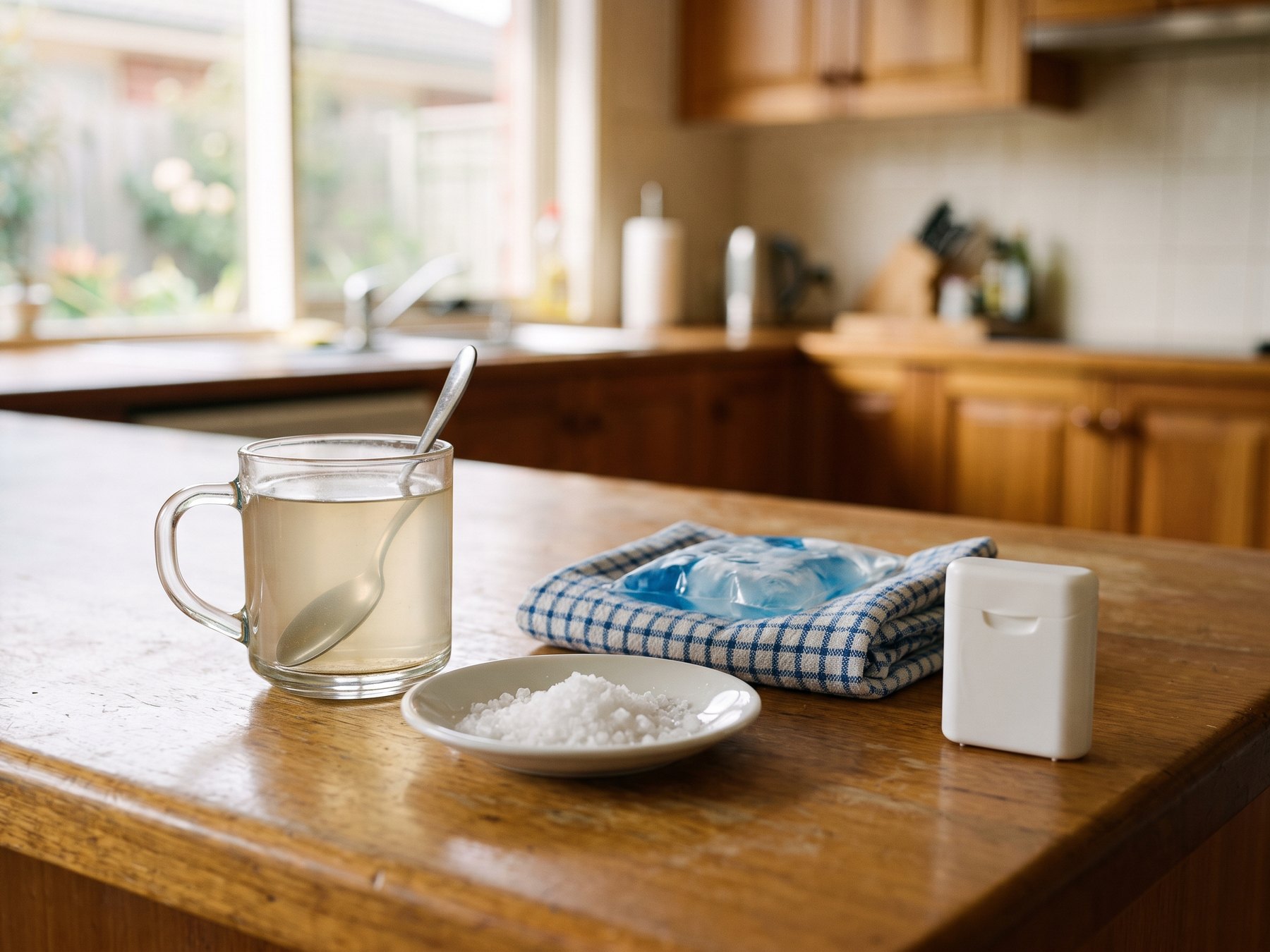
Warm salt water, a cold pack in a tea towel and dental floss ready on a kitchen bench for toothache relief

Until you can see us

What can I do for a toothache at home?

Home measures can take the edge off, but they do not treat the cause. Use them to get through until your appointment.

Important: this is general information only. Check with your pharmacist or GP before taking any medicine, including over-the-counter pain relief, particularly if you have a health condition, are pregnant or take other medication.

  • Pain relief as directed. Over-the-counter pain relief, taken exactly as the label says, can help. Ask your pharmacist which suits you.
  • Cold pack. Wrap ice in a cloth and hold it on the outside of your cheek for 15 minutes at a time to ease pain and swelling.
  • Warm salt water. Dissolve half a teaspoon of salt in a glass of warm water, swish gently and spit to keep the area clean.
  • Avoid triggers. Chew on the other side and skip very hot, cold or sugary food and drinks.
  • Keep your head raised. An extra pillow at night can reduce throbbing.

If the pain is getting worse, or you notice swelling, call us rather than waiting it out.

How it works

Toothache relief: what happens when you call us

Tooth pain is your body telling you something has changed inside the tooth or the gum around it. Our job is to find out what, get you comfortable, and fix the cause so the pain does not return. Here is how a toothache visit at Kallangur Dental Surgery usually runs.

01

Ring us as soon as it starts

Call (07) 3886 0933 from 8:30am, Monday to Friday, and tell us where it hurts and for how long. Severe toothache and swelling are prioritised. Until you are seen, pain relief taken exactly as the packet directs and a cold pack held on the cheek usually help. Do not place an aspirin on the gum, as it can burn the tissue.

Book now →
02

Working out where the pain comes from

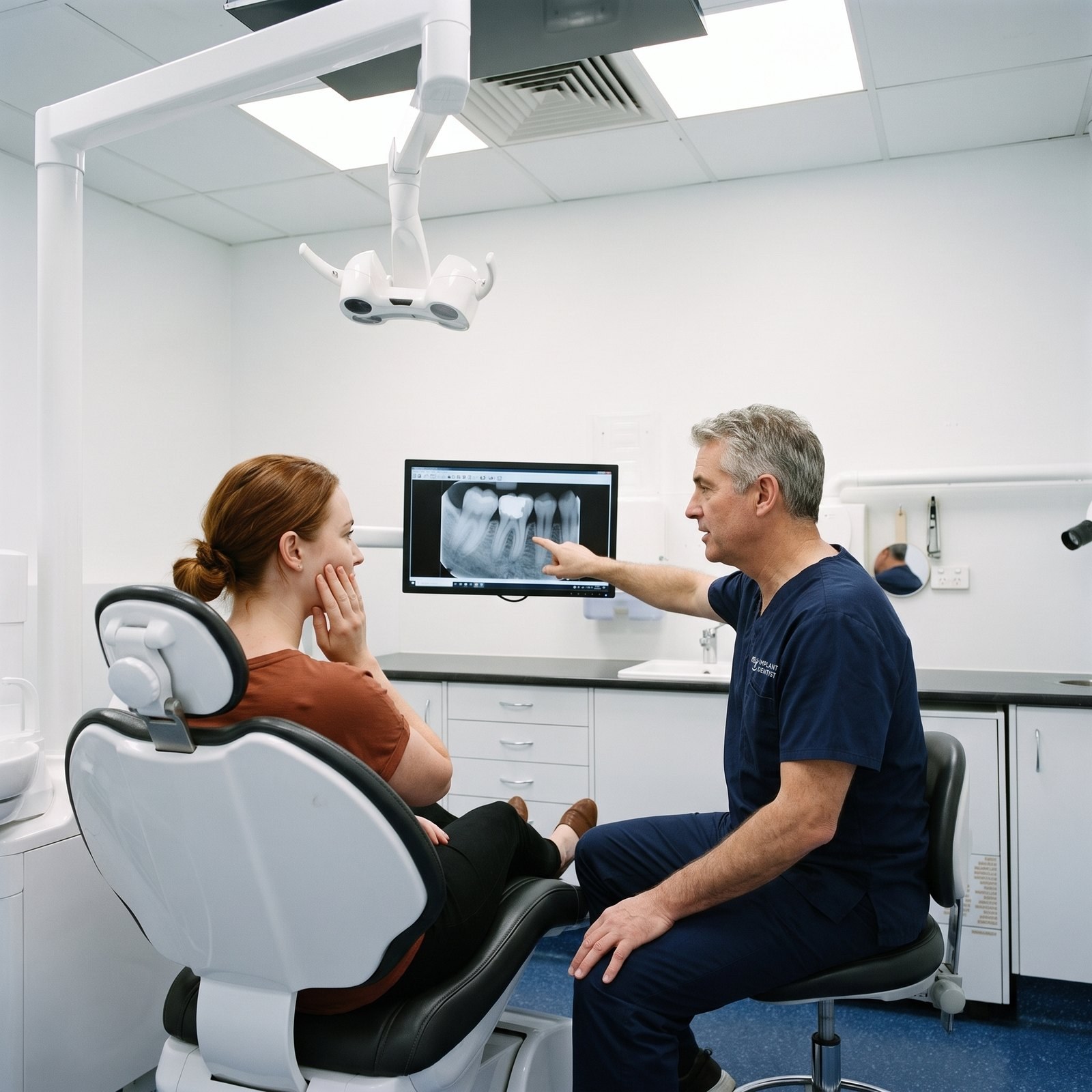
Pain often spreads, so the tooth that hurts is not always the tooth that is the problem. We test the teeth on that side, check the gums and your bite, and take an X-ray to look at the root and bone. Decay, a crack, a failing filling, an abscess and a stuck wisdom tooth each show up differently.

03

Fixing the cause, not just the ache

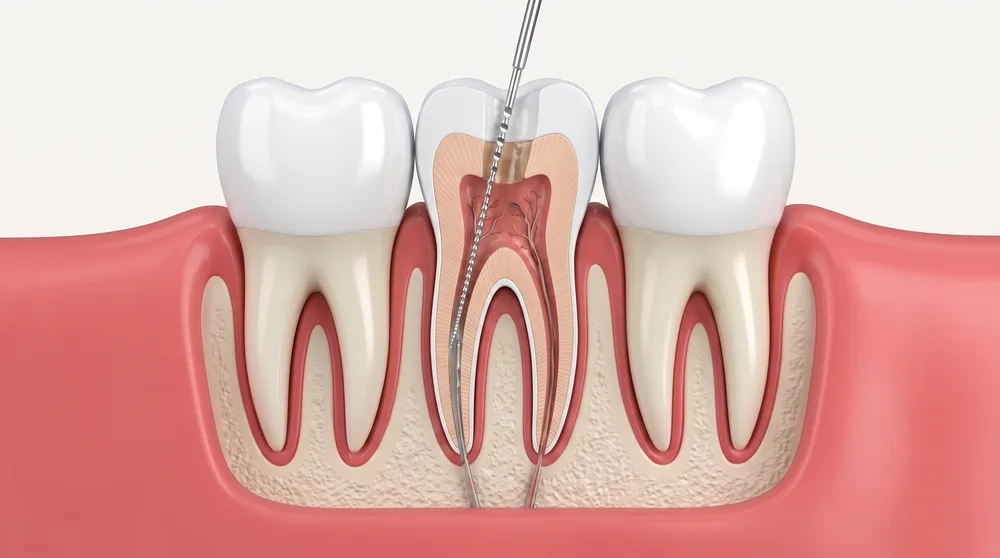
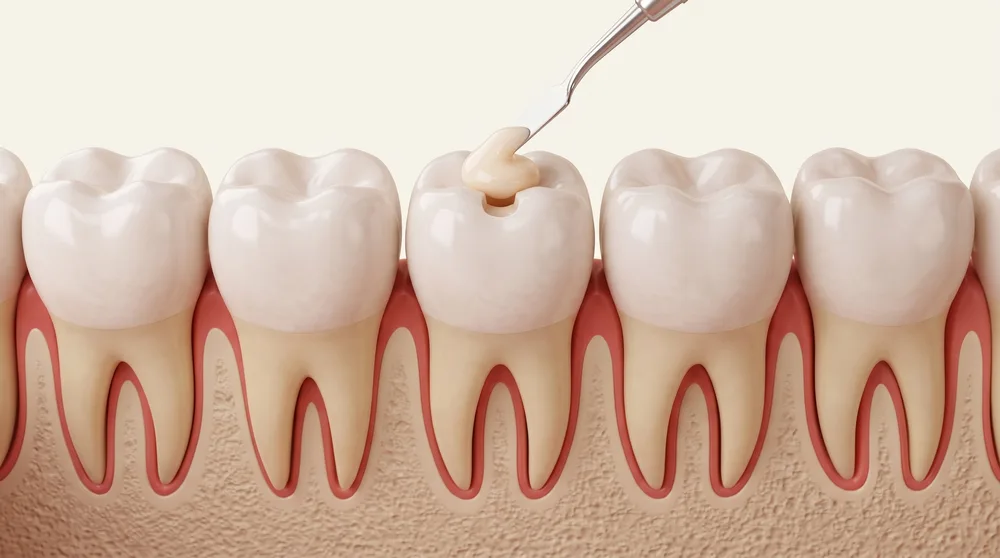
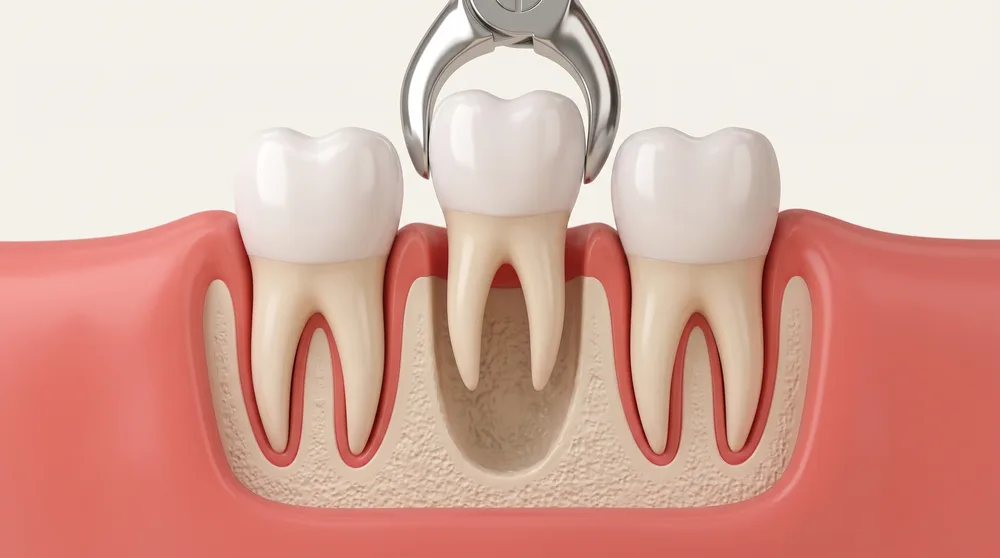
When the cause is clear we explain it and the choices. A cavity is usually filled. An inflamed or infected nerve normally needs root canal treatment to keep the tooth, while a tooth that is too badly broken may be removed. Swelling may need antibiotics first, then the tooth is treated once it settles.

04

Stopping the next one early

Most toothaches build slowly for months without any warning. A six-monthly check-up and clean, daily cleaning between the teeth and keeping sugary drinks to mealtimes are what let us find the next problem while it is still a small filling.

Related care

Treatment for tooth decay and tooth infection

Which treatment you need depends on what is behind the pain. These are the treatments our Kallangur dentists use most often to settle a toothache for good.

Good to know

Toothache - frequently asked

When is a toothache an emergency?

Call us the same day for severe or worsening pain, swelling in your face or gums, a fever, a bad taste or pus, or pain after a knock to the mouth. If swelling spreads towards your eye or neck, or you have trouble swallowing or breathing, go straight to a hospital emergency department.

Can a tooth infection spread?

Yes. An abscess at the root of a tooth can spread into the jaw, the soft tissue of the face and, rarely, further into the body, which can become serious. Signs it may be spreading include facial swelling, swollen glands in the neck, fever and feeling generally unwell. A tooth infection does not clear up without dental treatment, even if antibiotics ease it for a while.

Will I need a root canal or an extraction?

If the tooth has enough healthy structure left, root canal treatment is usually the first choice because it keeps your natural tooth. Extraction is considered when the tooth is badly broken, has lost too much bone support, or cannot be restored. We show you the X-ray, explain both paths and their costs, and you decide.

Can a toothache go away on its own?

The pain may settle for a while, but the decay, crack or infection behind it will not fix itself. A toothache that suddenly stops can mean the nerve has died while the infection remains. Having it checked early keeps the treatment smaller.

What is the most common cause of toothache?

Tooth decay is the most common cause we see in Kallangur, followed by cracked teeth and old fillings breaking down, gum problems and wisdom teeth. Because several causes feel alike, an examination and X-ray are the reliable way to know which one you have.

How much does toothache treatment cost?

It depends entirely on the cause. An examination and a small filling cost far less than root canal treatment and a crown, which is one reason to come in early. We give you the options and a written estimate after examining the tooth, and claim health fund rebates on the spot through HICAPS.

In pain? Act now

Still in pain? Call us now

Emergency patients are prioritised every day - call us and we will see you as soon as possible.

  • Urgent tooth pain prioritised each day
  • X-ray diagnosis of the cause
  • Pain relief and treatment options explained
  • HICAPS claiming for all health funds
We Are Preferred Providers For
MedibankHCFBupaWestfund
Kallangur Dental Surgery is part of the My Implant Dentist Group